|
Art is a powerfully transformative practice and experience. From my earliest memories I have enjoyed the indulgence in visual expression in particular. My interest, however, has increasingly been on the subtle arts of the transformations of the individual and collective through the creative process. What does art *do* to the artist? And what unreachably distant, or inaccessibly close, native, and embodied fields of mind can the process of art unfold and stabilize in the subject-as-artist feeding back through its inter-object-as-externalized-expression? Passing through a playful training, the artist's eye initially emerges as a means of self illumination, shadow work, and a direct expression of, and practice in creative will. This early art forms a private cocoon of sorts for a "waking up in the process of building the eye," as I would later phrase it. Wandering the spectrum outside the visual I began to find expression in the meta-arts. I relished my excursions into music and animation, but my art inevitability entered a state of obsession with simply *understanding*, and ultimately feeding through the collective lens of observation, Mathematics, Science, and Philosophy. As my mentor and dear friend Gerald Lebau says, "To understand anything you must first understand everything"... This obsessive reaching of the Infinite to begin its return, would continually turn everything I had known on its head as the outsides were soon found to be the new insides, and the beginnings were always found at the end. Voraciously sampling the spectrum of human knowledge, my practice in the visual arts—now embodied and everpresent in the subtle hallucinations that form all of experience and conceptuality—formed a scaffolding to help contain and pull out this churning simplex of primitive understanding. In my journey through the linguistic arts, the imagery began to congeal into embryogenetic primitives that would organize and simplify the most seemingly complex and paradoxical of fields. From the challenges of the great ontological puzzles to the recursive webs of epistemology, from mathematics and the paradoxes of the infinite to the cults and weirdness of fundamental physics and cosmology, from the philosophy of the cosmic body to the comic dualities plaguing its relation with the mind: a single thread of an embryogenesis of integrating forms was beginning to emerge. In an age of the post-relativistic return to the absolute, Philosophy emerges again as a humble descriptive art of the self-divine relation. As such, it is oddly both infinitely personal and indefinitely universal. Art as an ontology of the absolute and infinite could only ever be the most absurdly hubristic of sketches, a native and naive tracing of the contours, bumps, and collisions, and some occasional couplings and dances with a comparative daemon of absolute beauty and perfection, a flicker of the infinite collective will and conscience through the intricate folds and pockets of the cave wall of a merely human form.
|
Joel Morrison | Transformative Interface
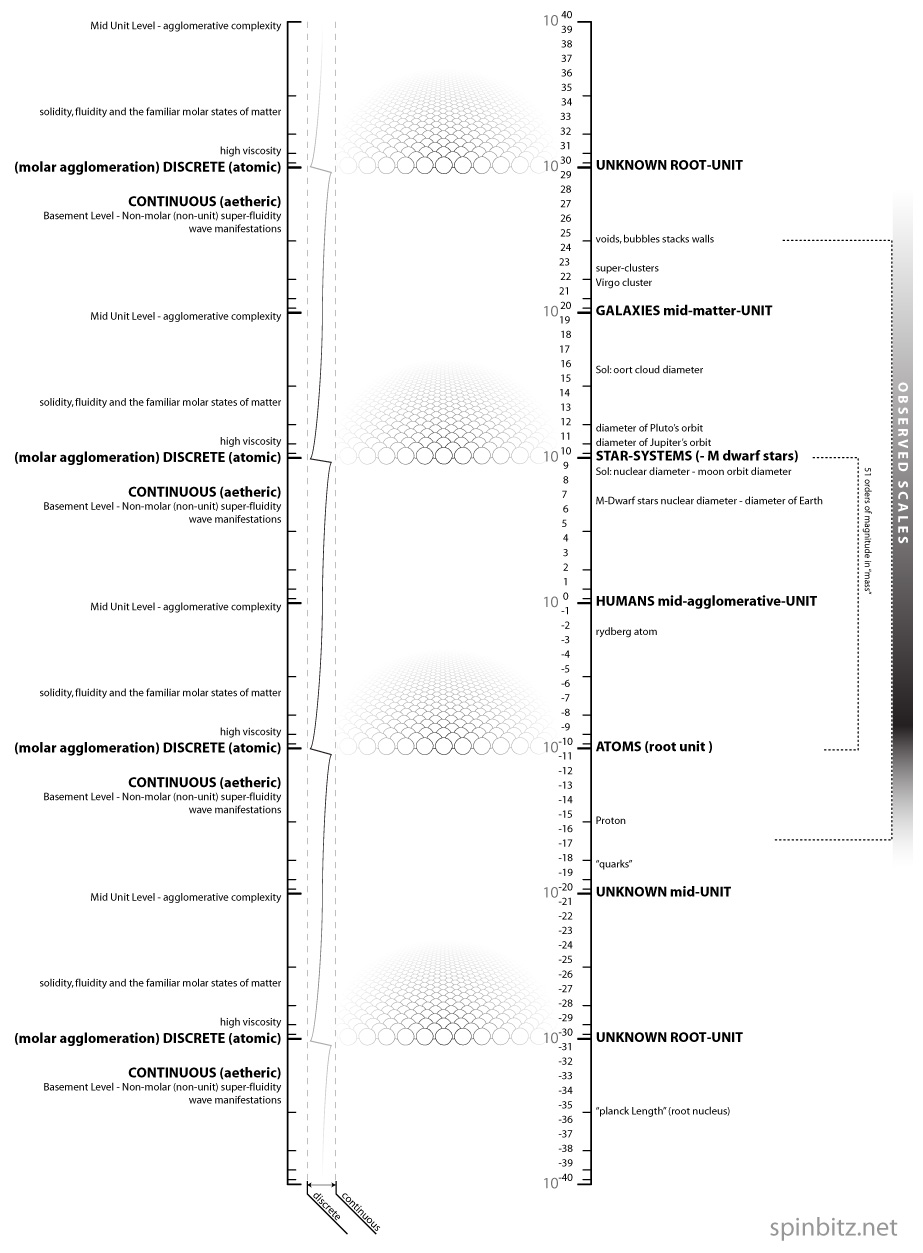
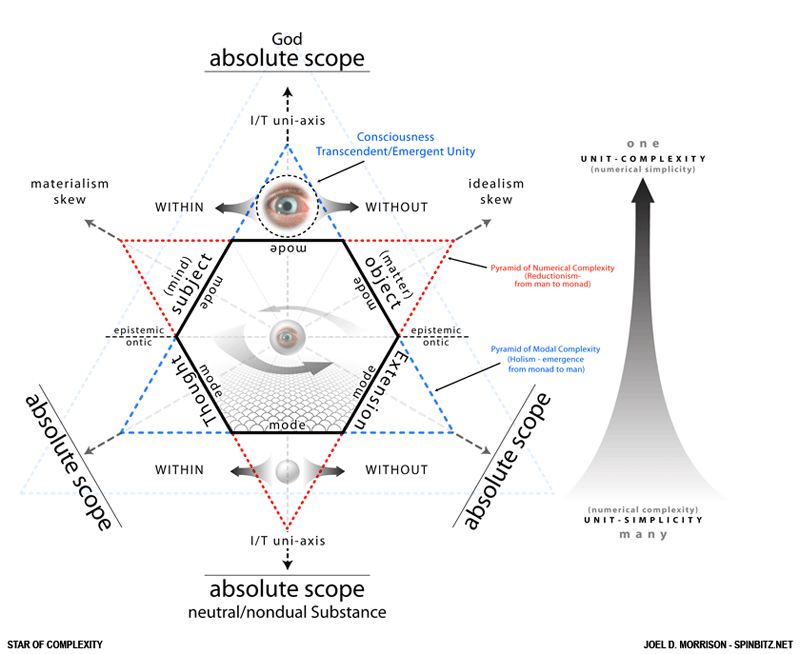
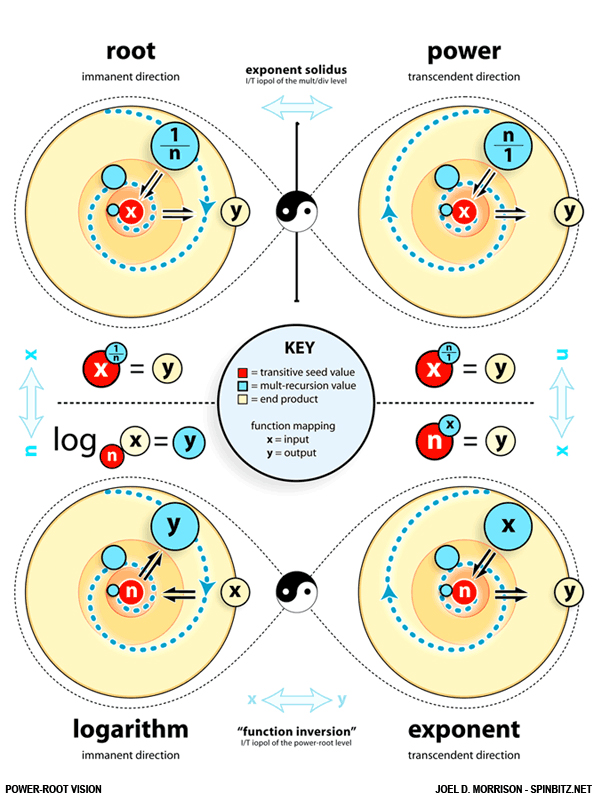
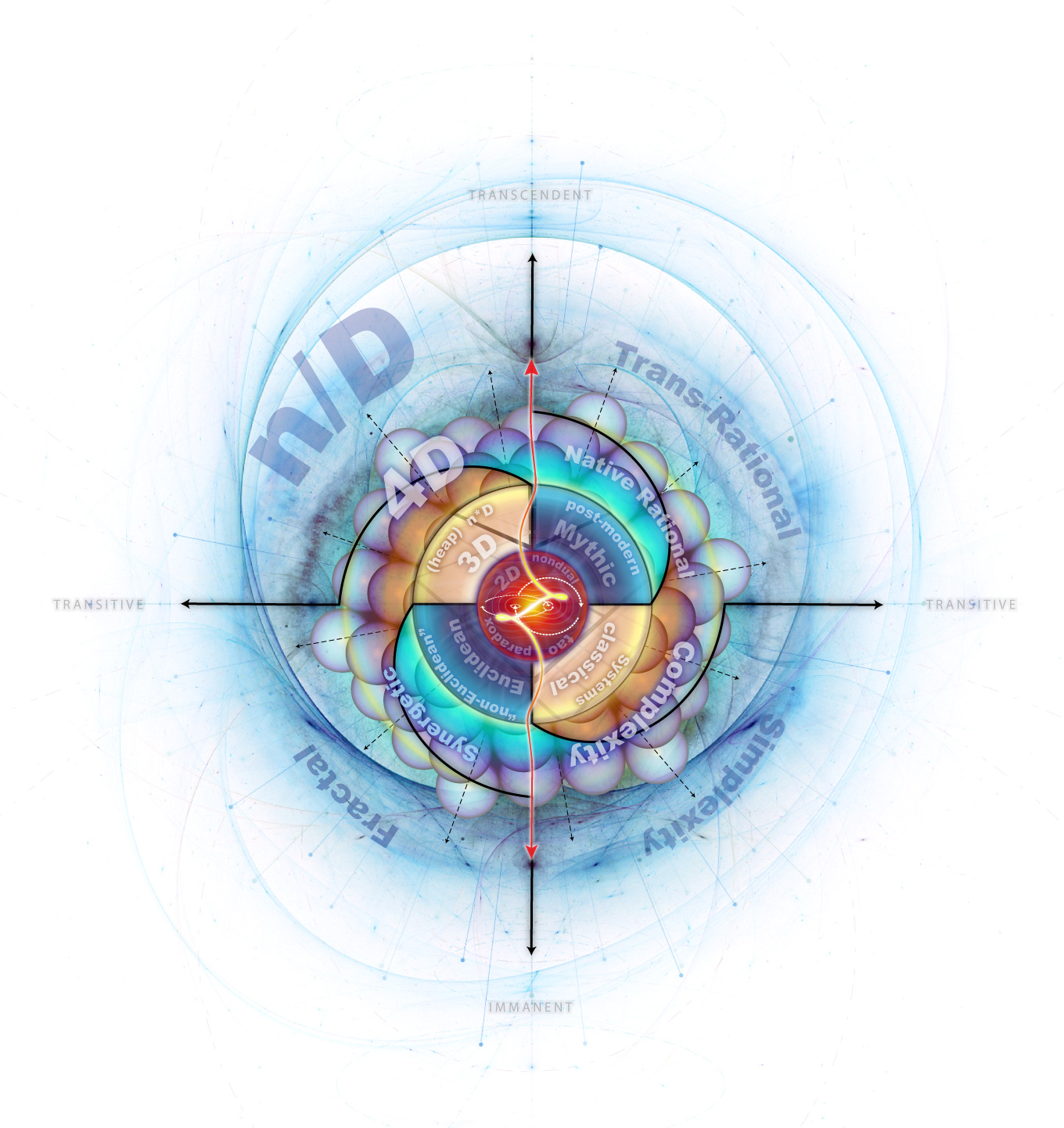
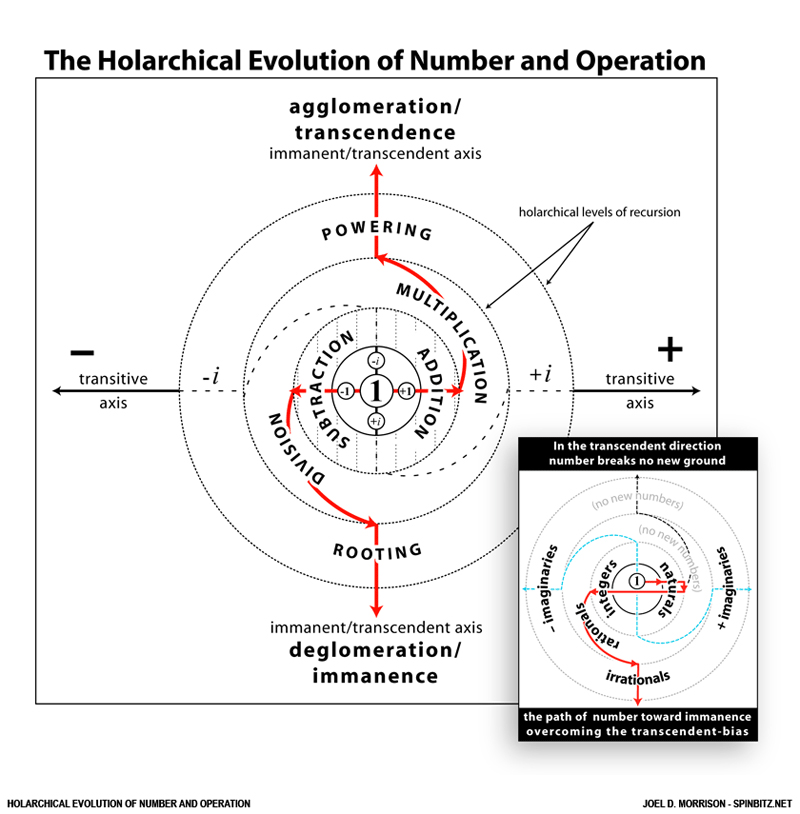
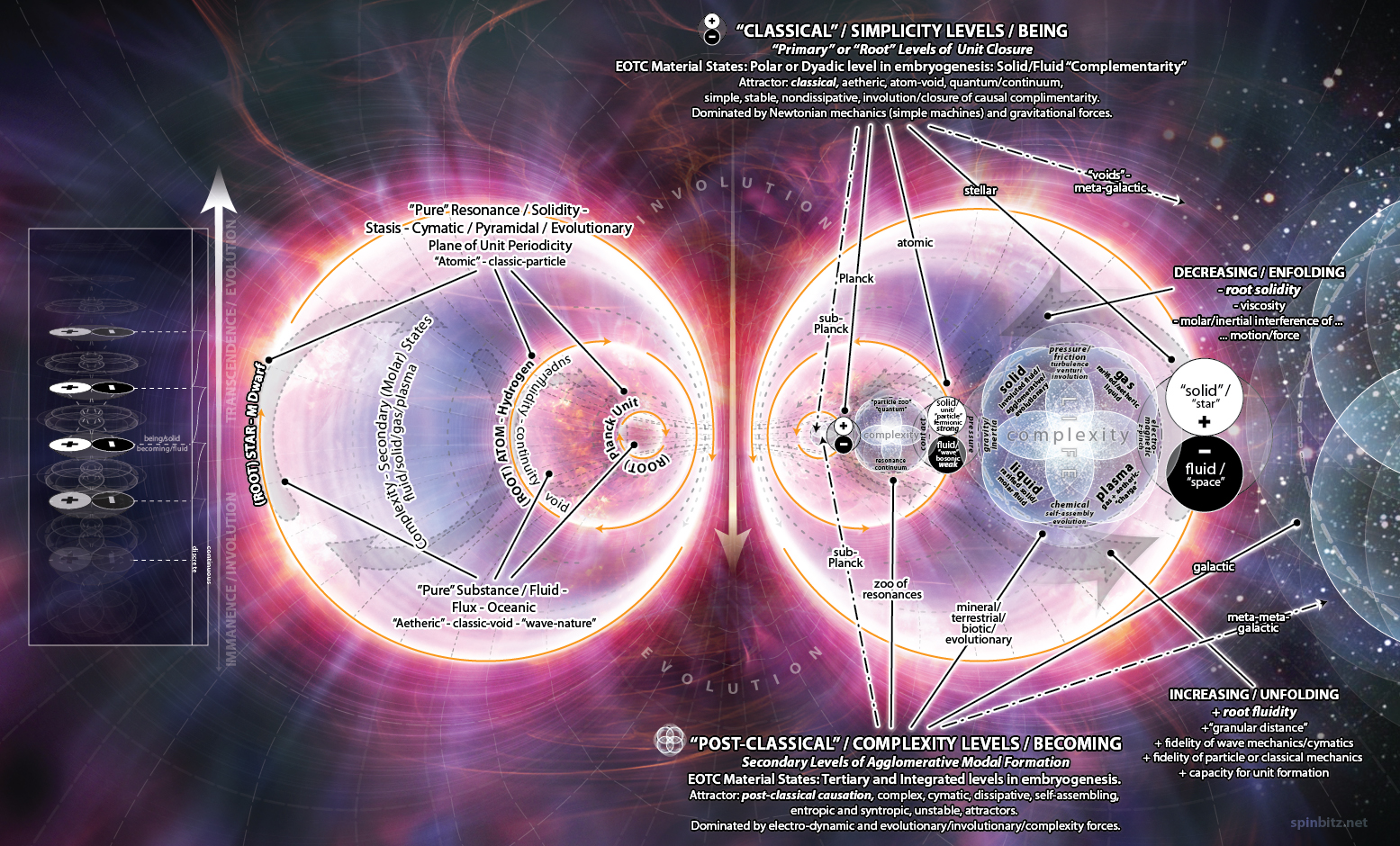
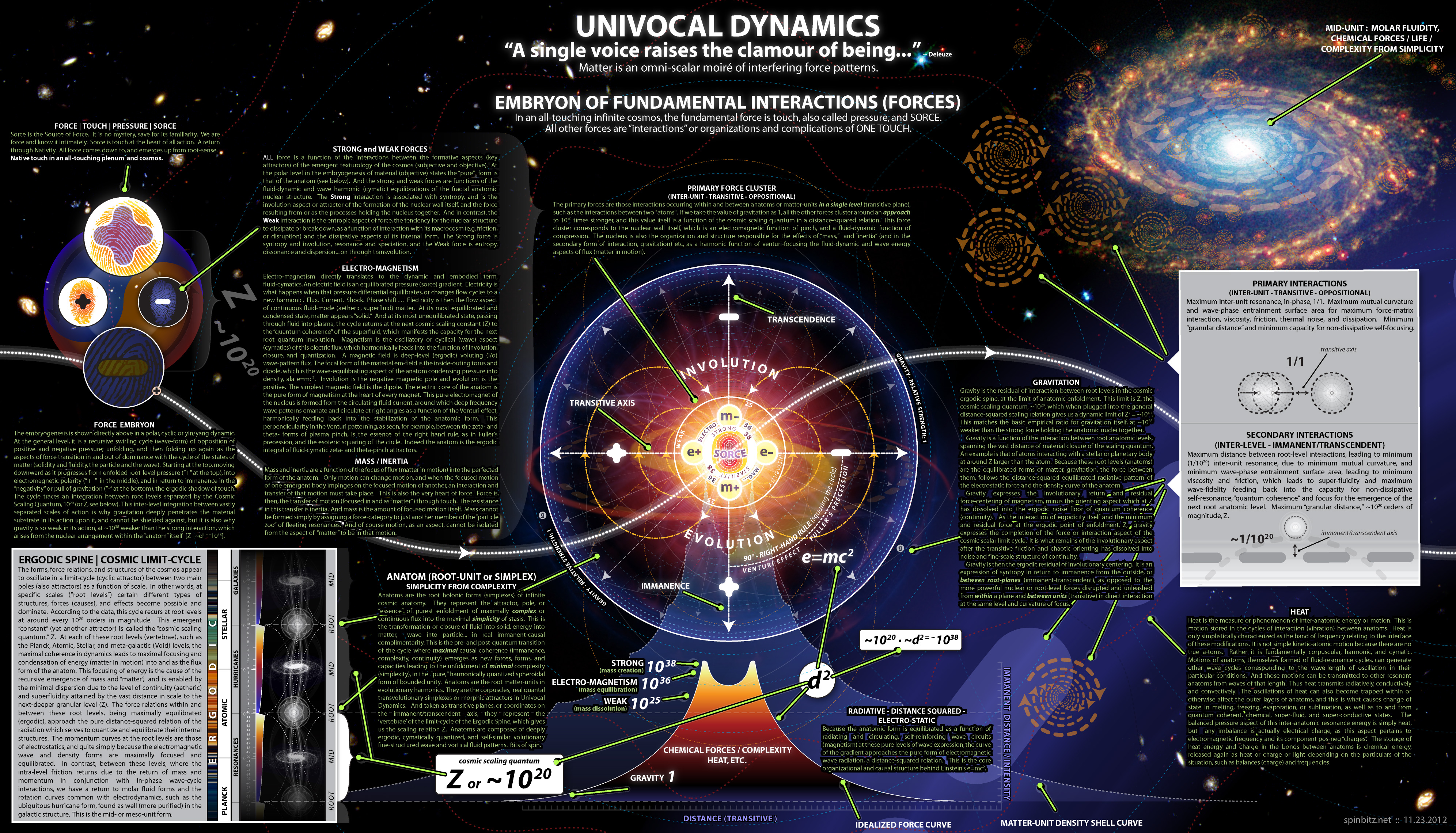
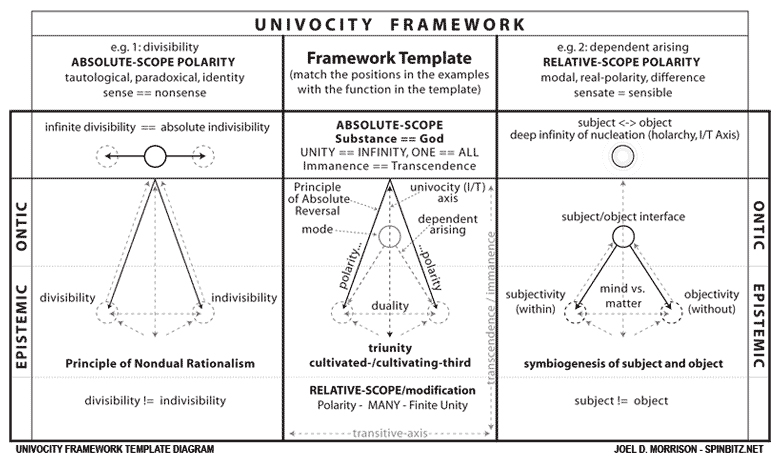
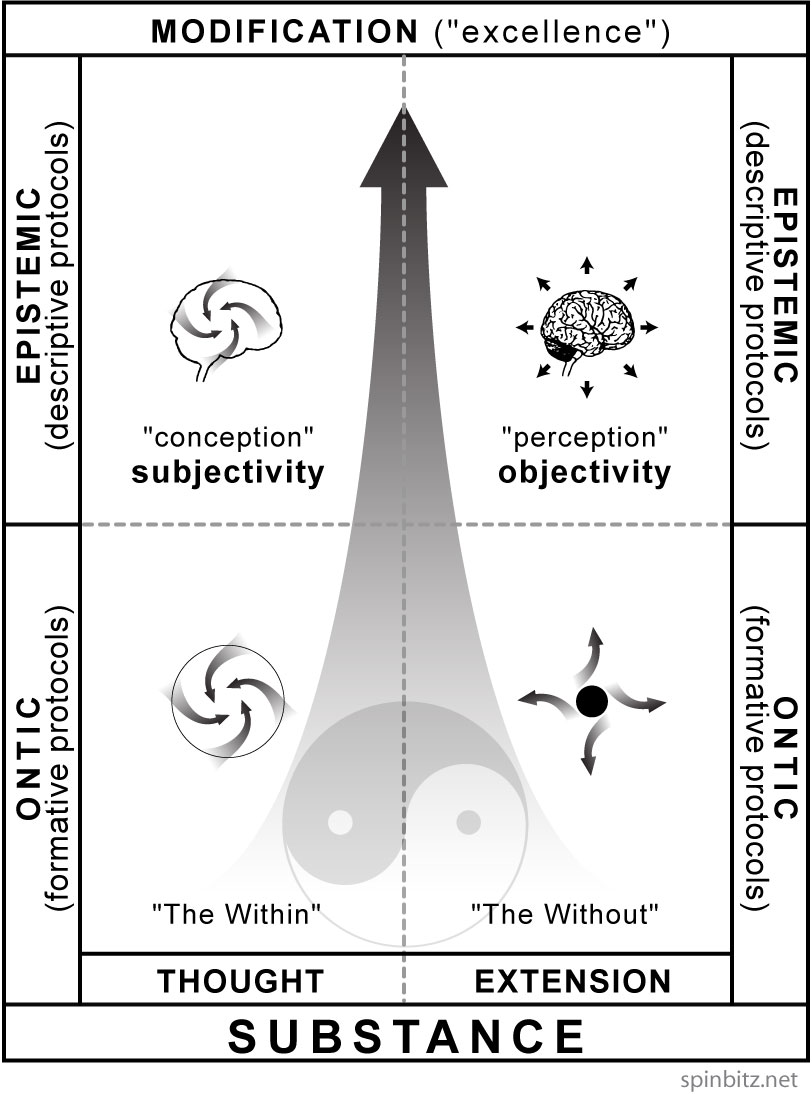
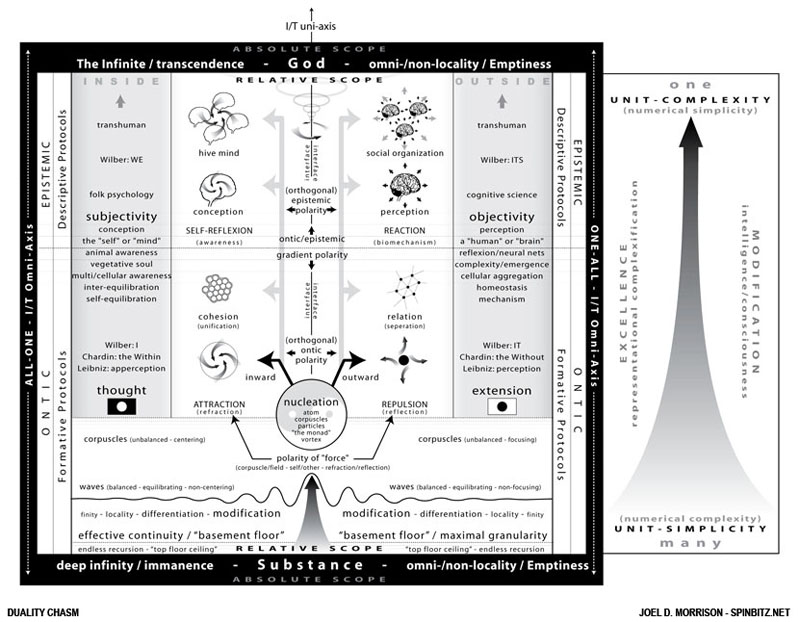
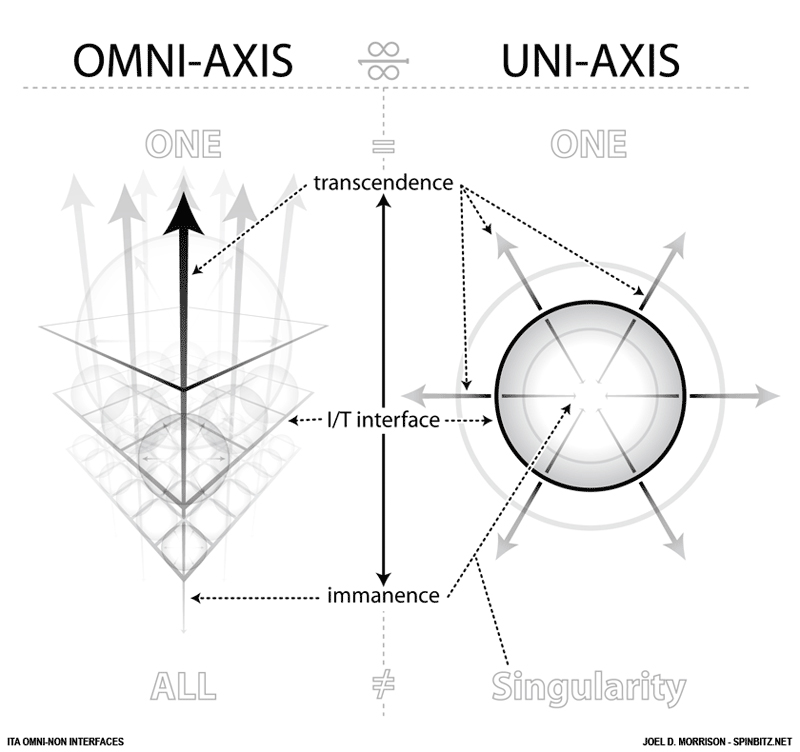
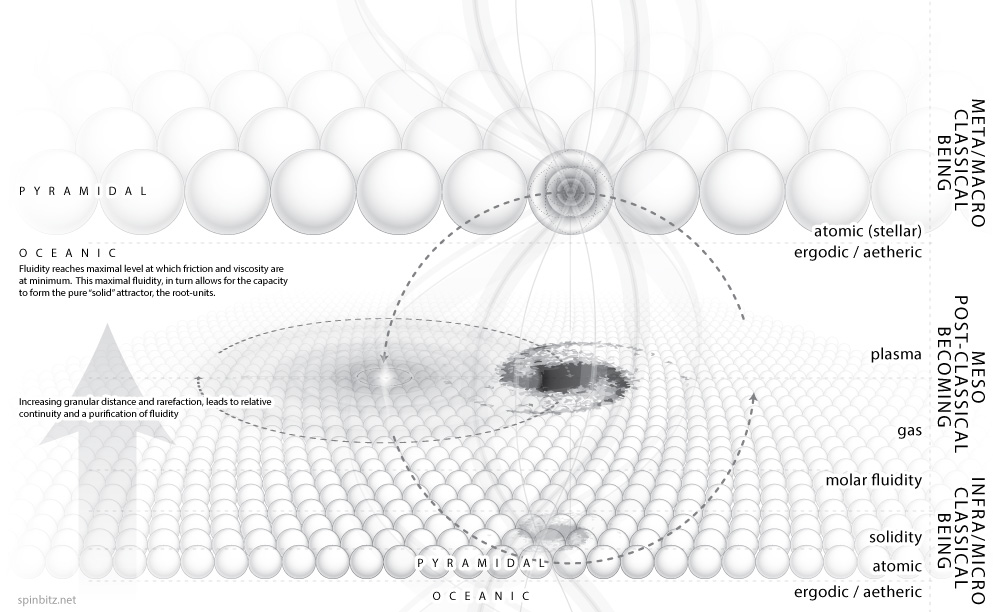
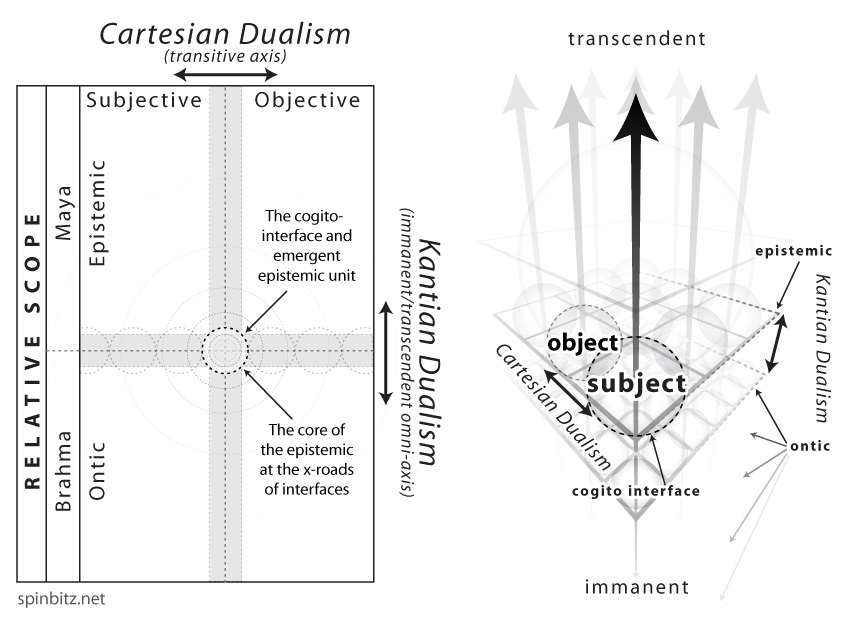
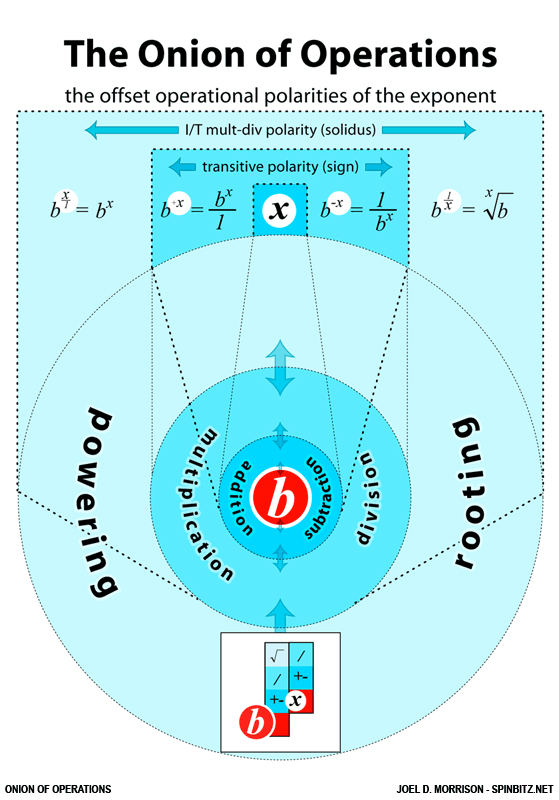
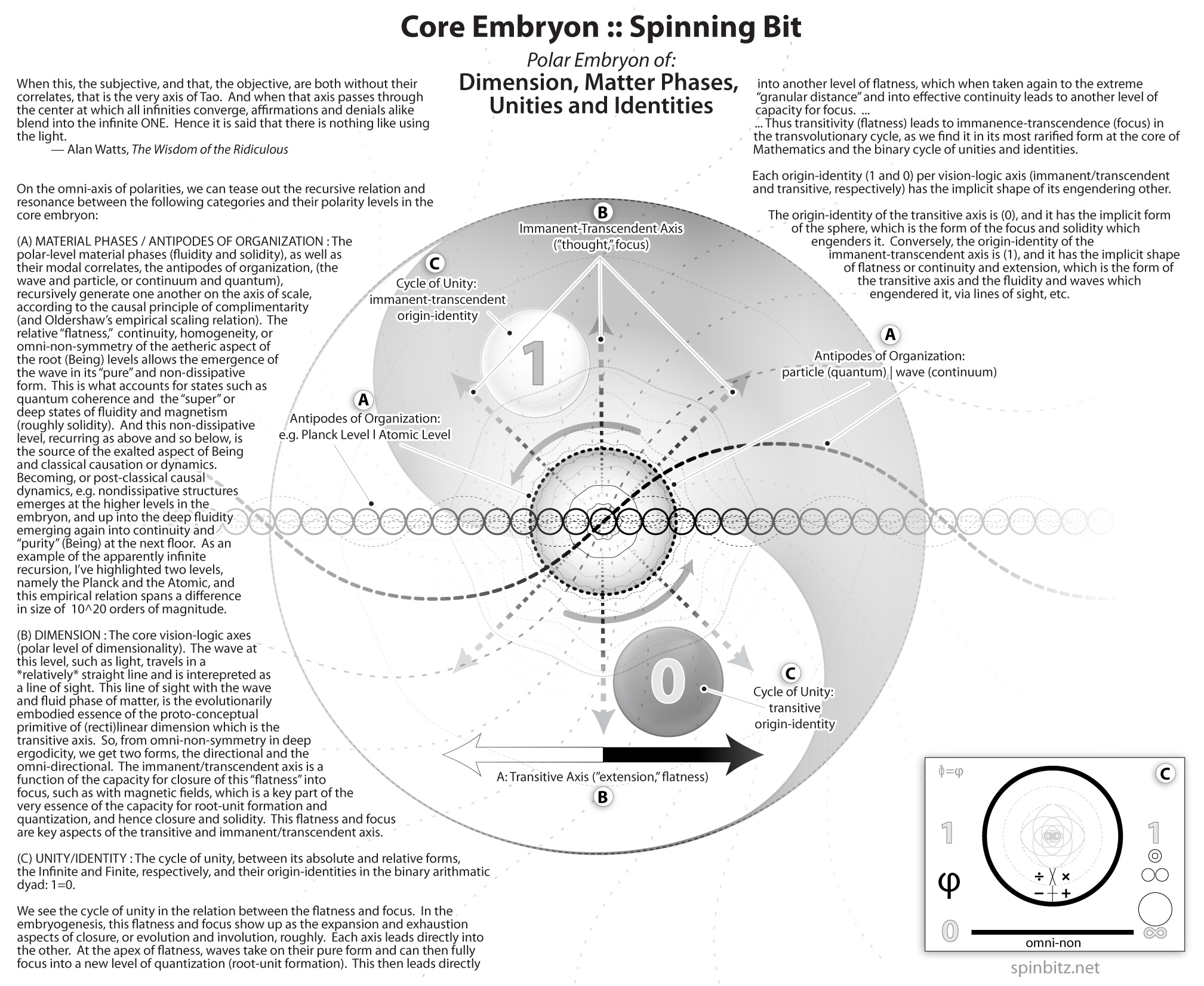
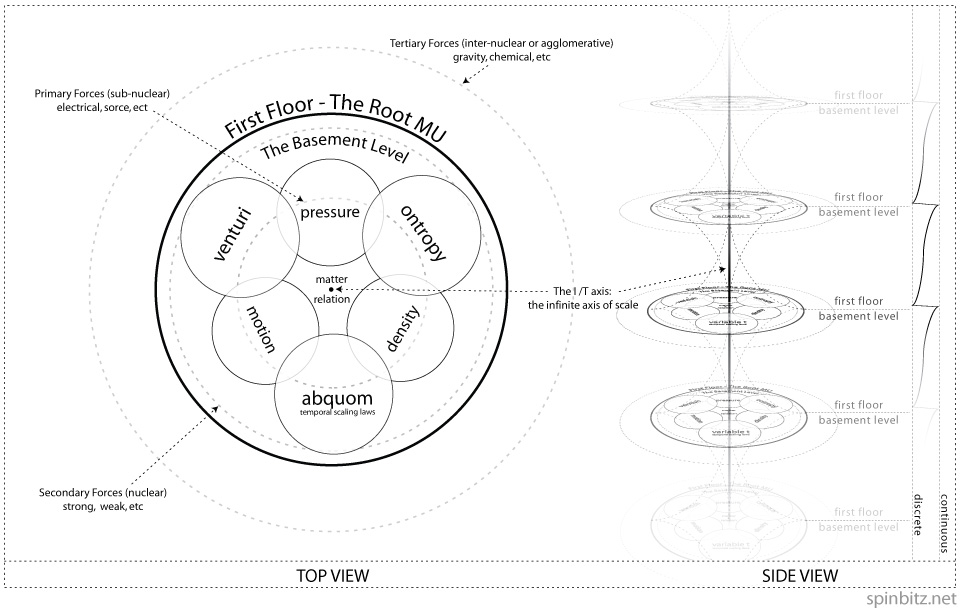
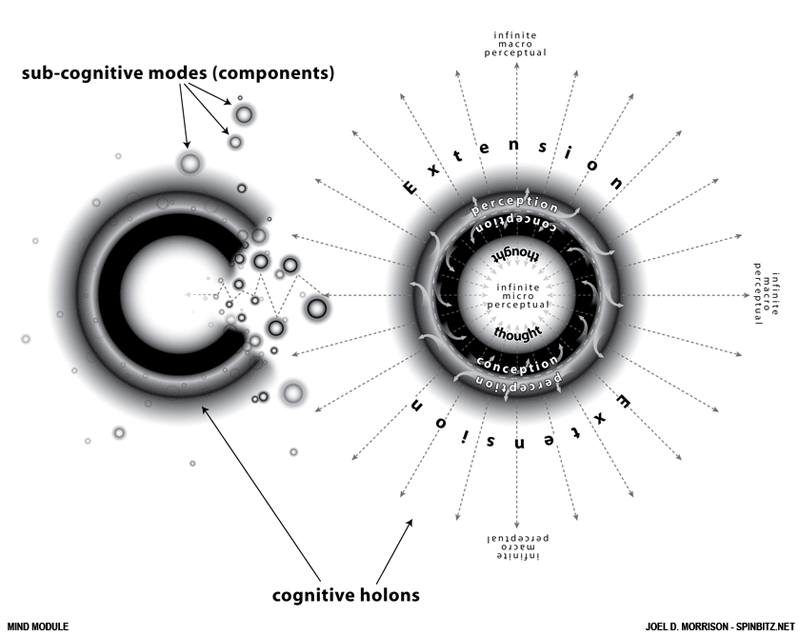
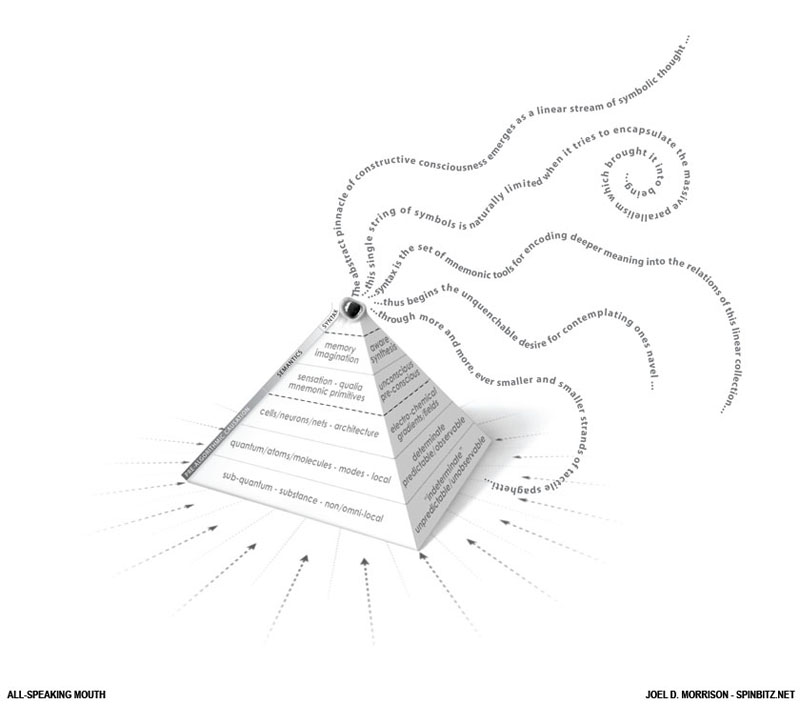
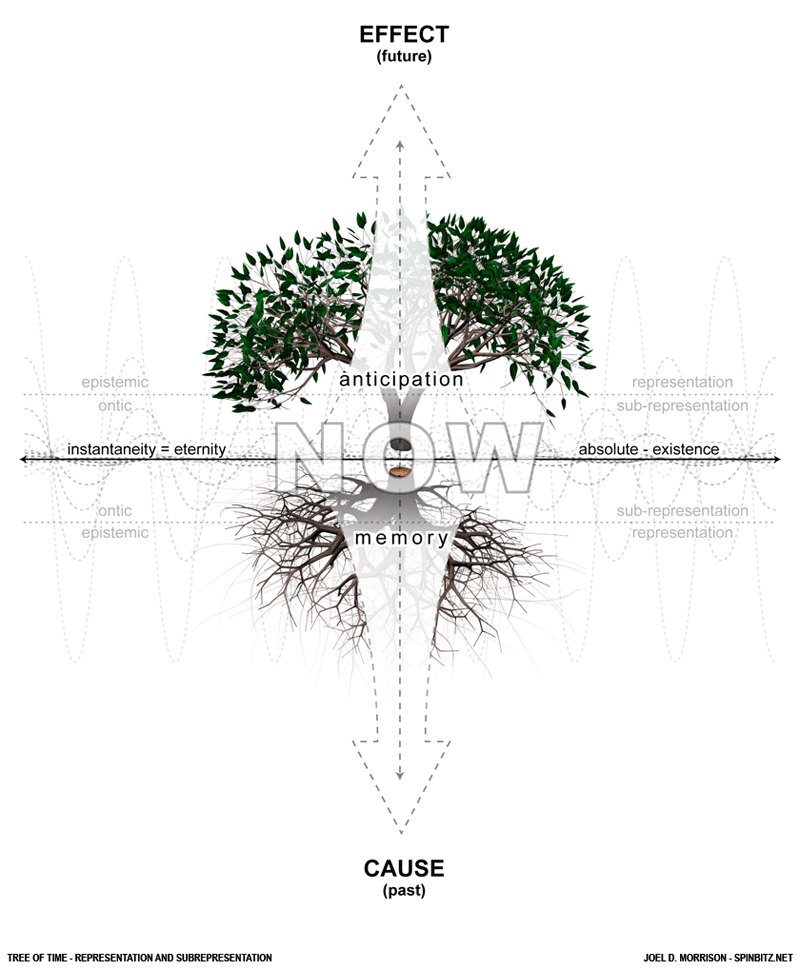
Joel Morrison is both an artist and an integrally-informed philosopher of the interface. Beginning as a trained visual artist, he found his artwork migrating into the exploration of the diagram as a mode of visual art, eventually moving into the domain of philosophy itself. As he reports: Having started my life as a visual artist, I gradually discovered that my artistic expressions were becoming more and more philosophical as time progressed. I would often notice that in the back of my mind, as I lay thinking, an unconscious and intricate visual form was taking shape in my visual field; line by line, curving and collecting into shape after shape, unconsciously informing and solidifying the conceptual construction. Finally the philosophy began to rise above, transcending-and-including this everpresent and often unconscious visual art-form (SpinbitZ, Vol.1, p. 26). The philosophy project now includes art as a fold – the art of philosophy and a philosophical mode of art entwined, opening a dual media expression and exploration of the kosmos. And it was the diagram that came to be the figural genre that served best this project. As the artist explains:
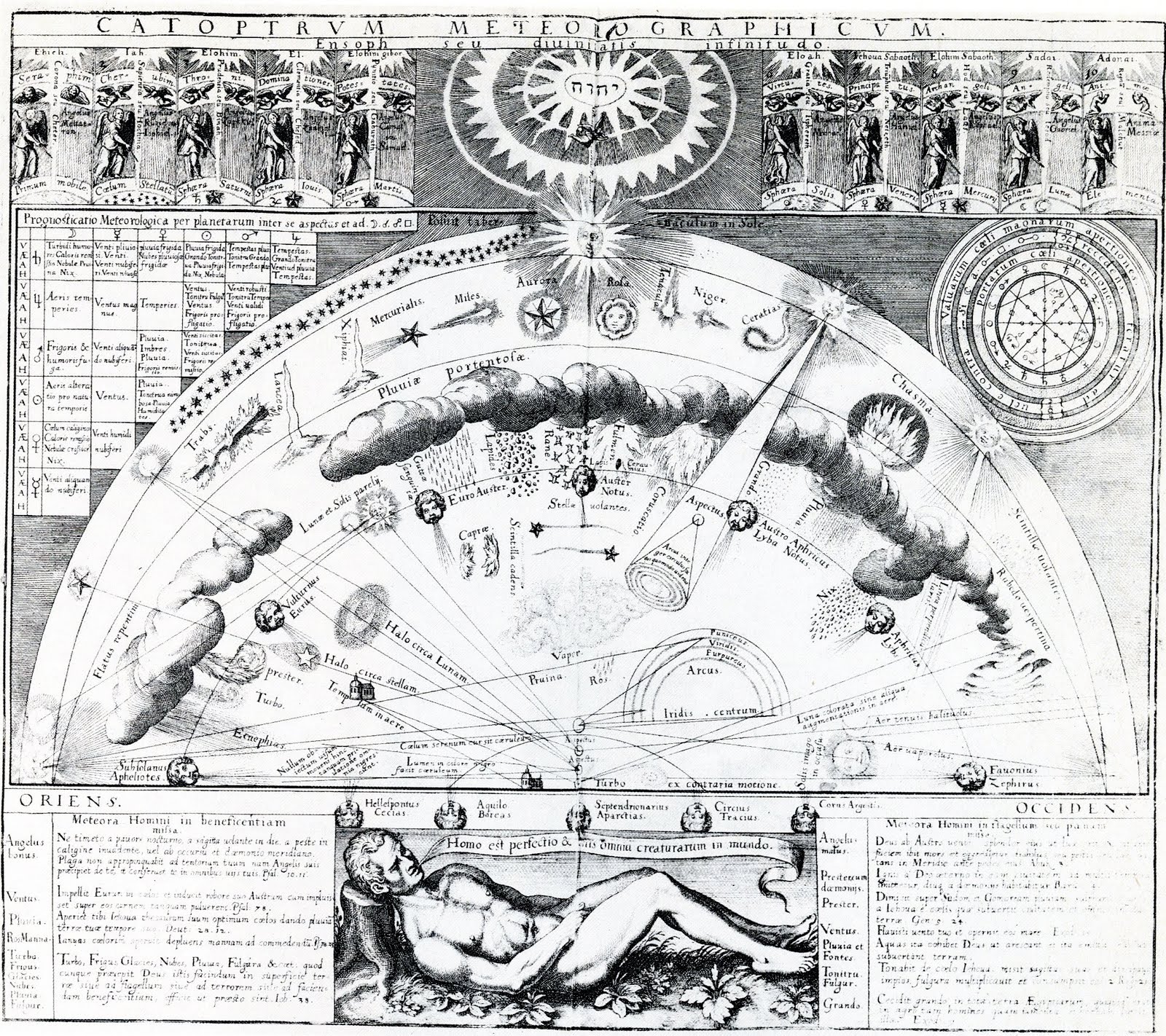
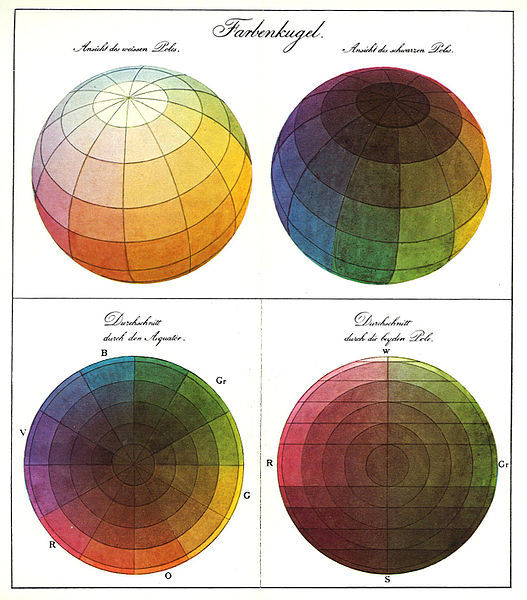
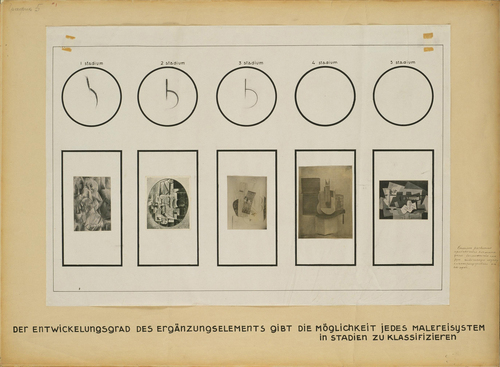
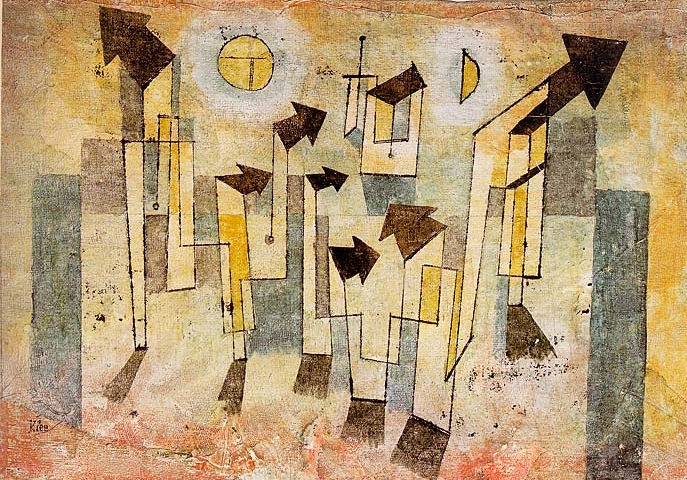
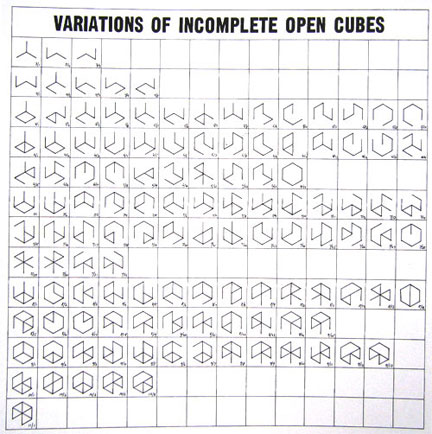
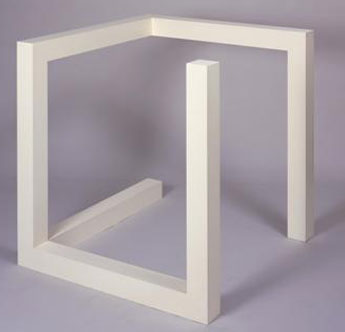
The diagram is something of a “minor” genre or moment within the currents of Western and European art since the waning Renaissance of the late sixteenth and early seventeenth century, when emblem books and their presentations of the play of word and image (the core of the emblem tradition) were in instances further woven with charts and other non-depictive figural elements, exceeding the semiosis of basic allegory, where there is a simpler coding (e.g., justice personified as a female figure holding sword and scales), the expression more enigmatic, metaphoric, polysemantic: an aesthetic symbol in the Romantic sense of that term. The work of Robert Fludd, an early 17th century English mystic philosopher, developed presentations that exemplify this complexifying of the emblem through inclusion of visual geometries, charts, and spatial coordinates. In the early nineteenth-century, the important German Romantic artist Philipp Otto Runge developed charts of what he called color-spheres, influenced by Goethe’s theories of color and perhaps too by the thought of proto-evolutionist mystic Jakob Böhme. In the early twentieth century, with the flourishing of so many creative modernist art movements and idioms, diagrams and the diagrammatic made their appearance. Kazimir Malevich, the inventor of Suprematism, produced numerous teaching charts – now works of art in their own right – to express the principles of modernist pictorial logics leading up to his own renewal of art of painting. The brilliant Paul Klee, in the wake of the cubist inclusions of all varieties of signs in the pictorial artwork (script, music notes, etc.), seamlessly integrated arrows into what are otherwise abstractive-depictive images. During the complex moment of art making of the 1960s and early 1970s, an era still badly neglected in integral circles concerned with the visual arts, so-called Conceptual currents offered diagrammatic presentations as part of art exhibitions, as with several projects by Sol LeWitt: for example, his diagram of open cubes which were exhibited on occasion with three-dimensional executions of such cubes, the 2D and 3D artifacts constituting in tandem the work of art in those exhibition instances. Morrison’s brilliant and creative forays into the art of the diagram is thus part of a venerable if neglected lineage, a “minor” stream in the Western-European tradition that has yet to be adequately mapped in any scholar detail and appreciation of which I am aware, only sketched in the most rudimentary manner in this commentary. Of course the “minor” is itself not a straightforward notion, as in following the philosopher Gilles Deleuze it is the “minor” which itself can within a tradition turn out to be that which emerges as a major chord advancing that very tradition – to wit, Deleuze’s own approach to philosophy. What is distinctive about Morrison’s diagrams is that they signify otherwise than the ways of traditional verbal logics and their linearity; exceeding both contradiction and dialectical non-contradiction, exemplifying what John Sallis calls the “exorbitant logics of the imagination.” These diagrammatic art works have then an ineliminable:
This art-and-philosophy project is to heal the modern (and postmodern) rift between concept and percept: philosophy as the creator of concepts and art as the inventor of percepts – precisely the respective roles of philosophy and art as forwarded and clarified by Deleuze and Guattari in their last jointly authored book, What is Philosophy? With Morrison there is an additional chiasmatic move, philosophy orienting towards aesthetics and embodiment themes through concepts like sensation; and the art of the diagram evincing the complexity of the philosophical concept. In the author’s words: In Morrison’s visual and verbal project the gathering and disclosure of sense is inclusive of logics that are non-contradictory and exorbitant: a richness of presentation that neither philosophy nor art could manage on its own. Such is the import, glory, and wonder of Morrison’s integrally-informed and integrally-evolved diagrammatic art. Michael Schwartz
Joel Morrison, SpinbitZ, Volume 1, is available at http://spinbitz.wordpress.com/downloads/ as an e-book and here as a print copy. See John Sallis, Logic of the Imagination: The Expanse of the Elemental, 2013, Chapter 3. With regard to integral art, see my commentary “On the Many Faces of an Exorbitant Logic” (April 2014) at https://integrallife.com/art-galleries/data-consciousness.
|
|||||||||||||||||||||||||||||||||||

.jpg)
.jpg)
.jpg)