|
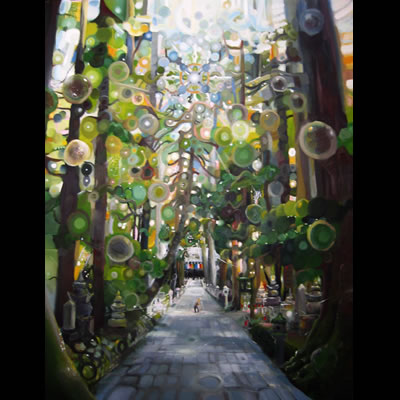
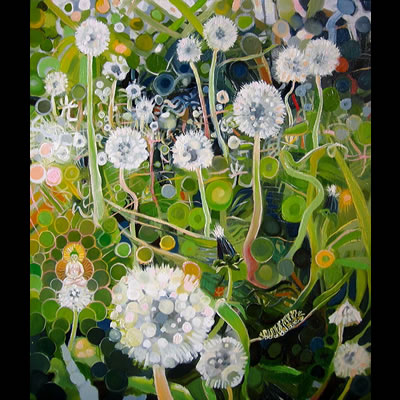
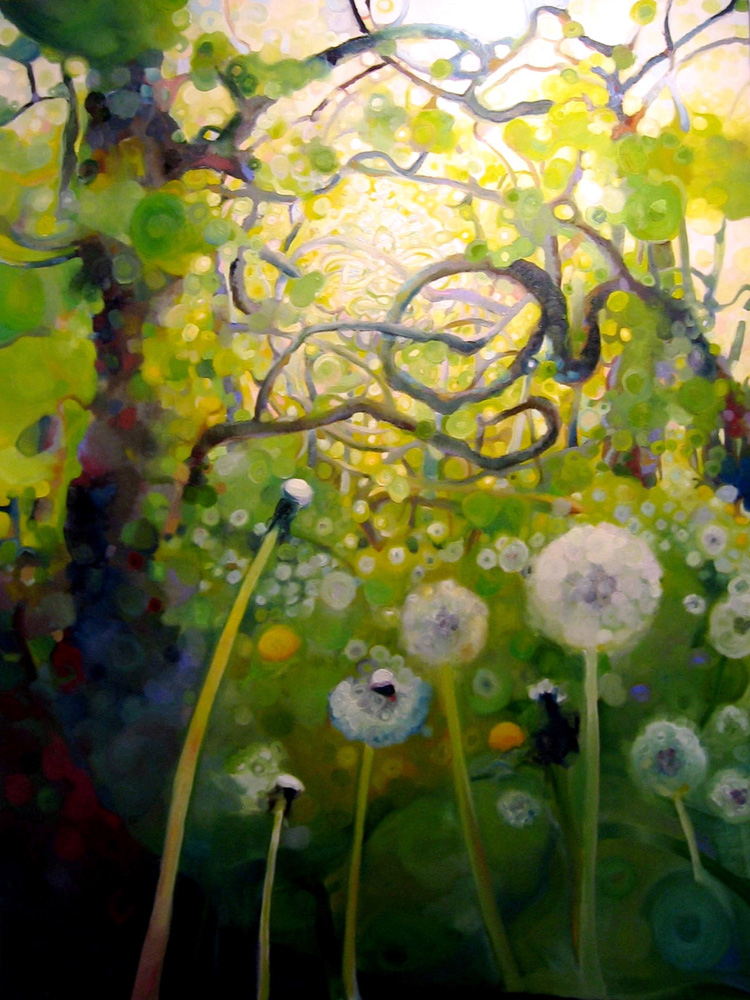
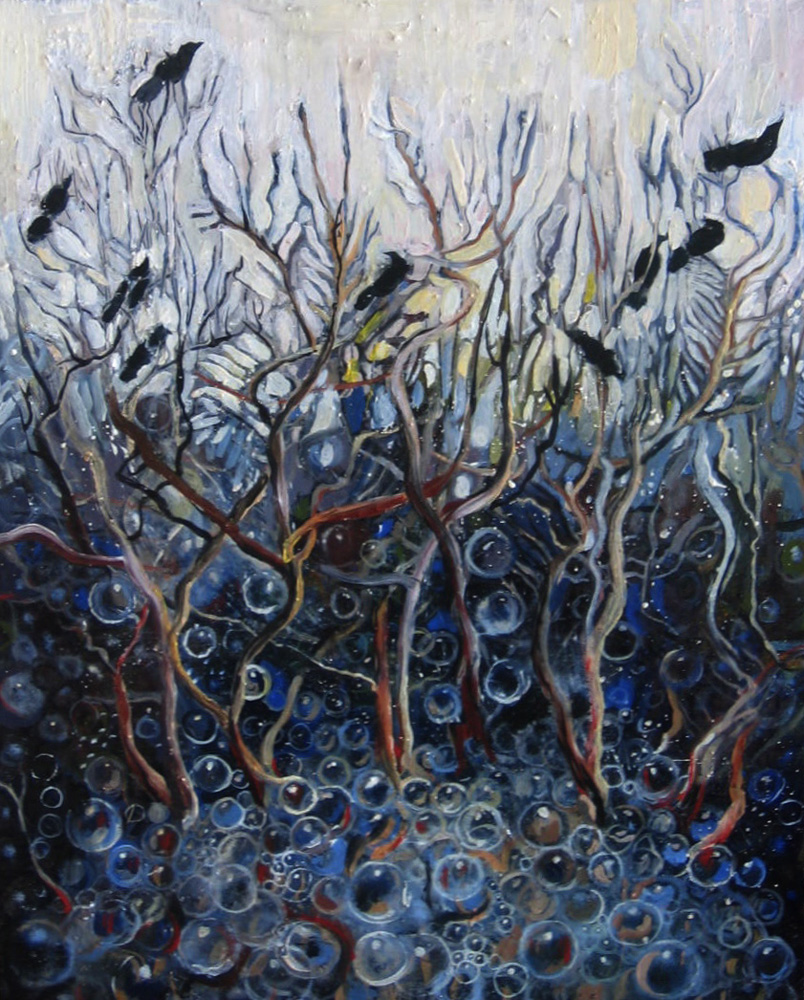
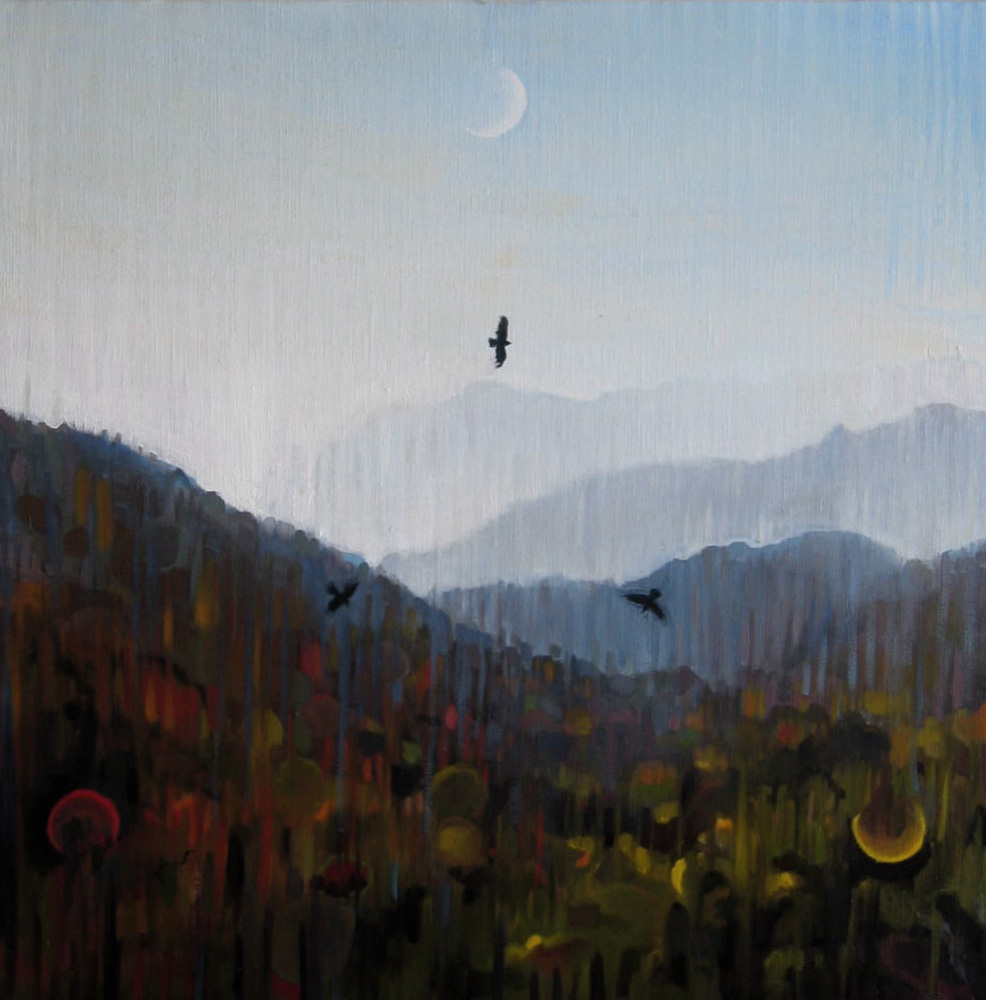
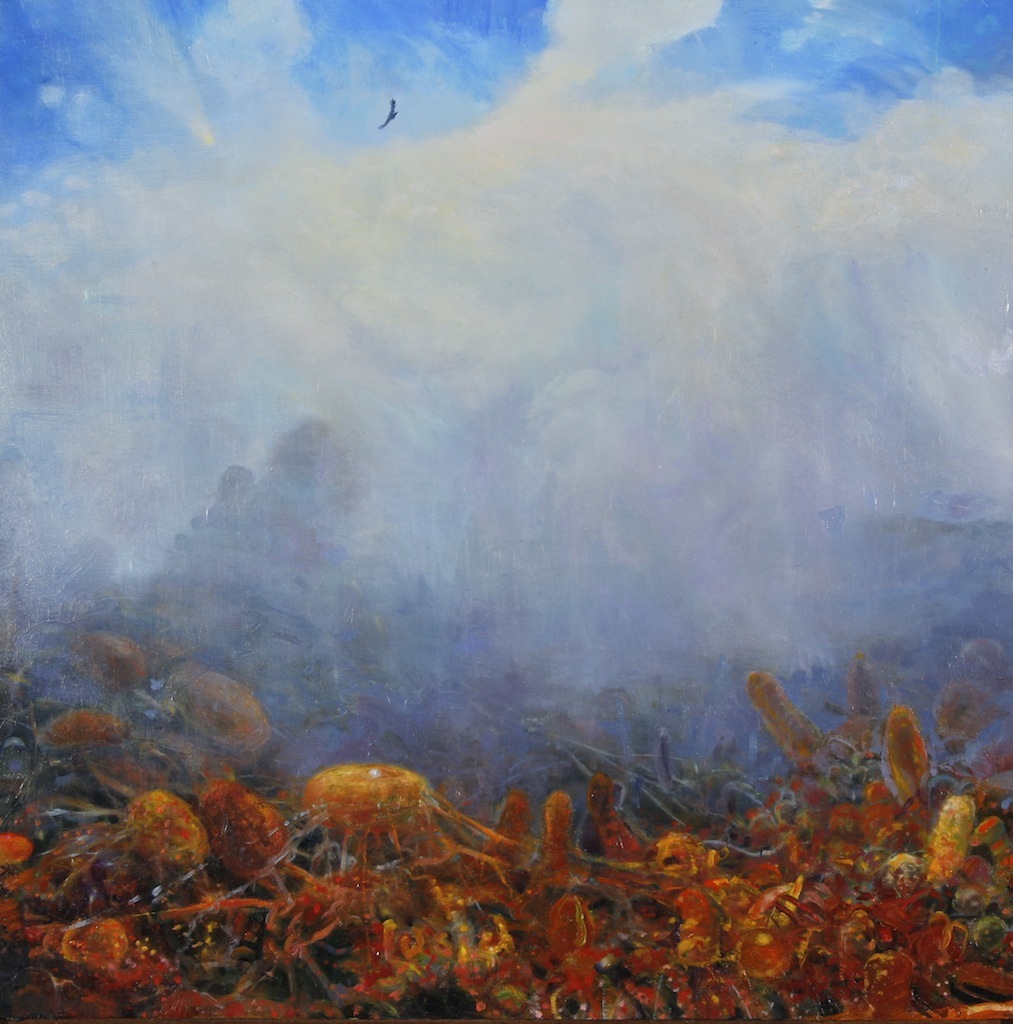
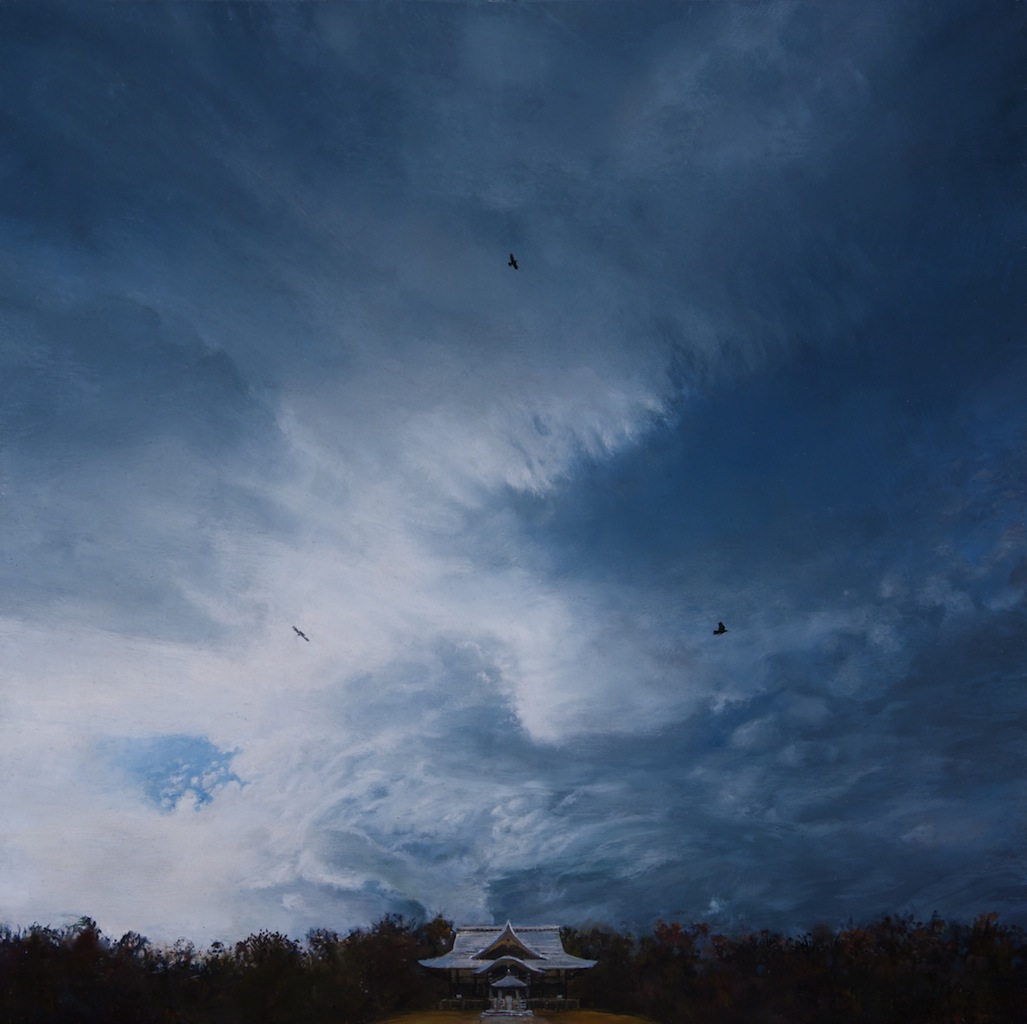
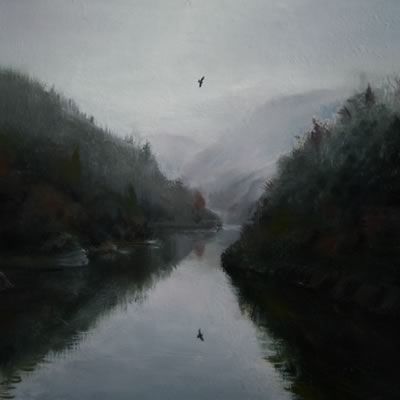
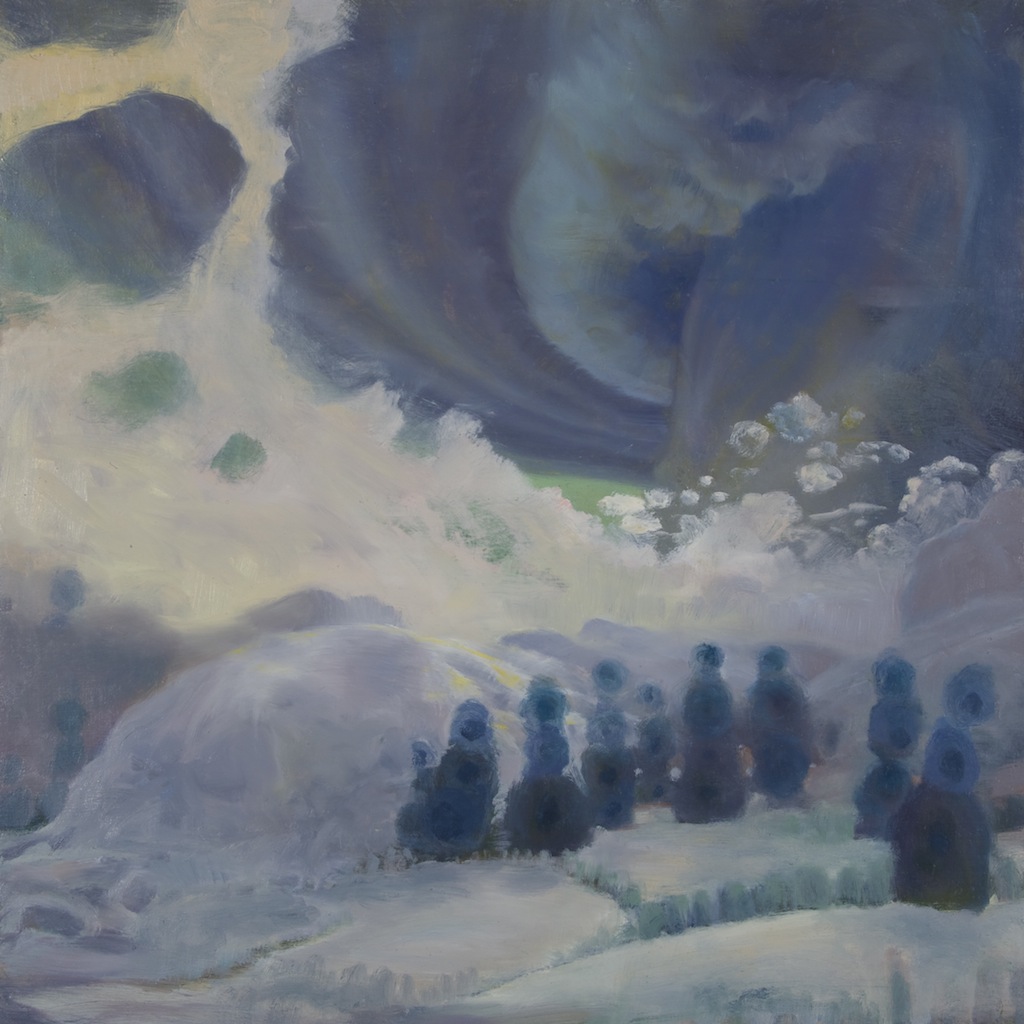
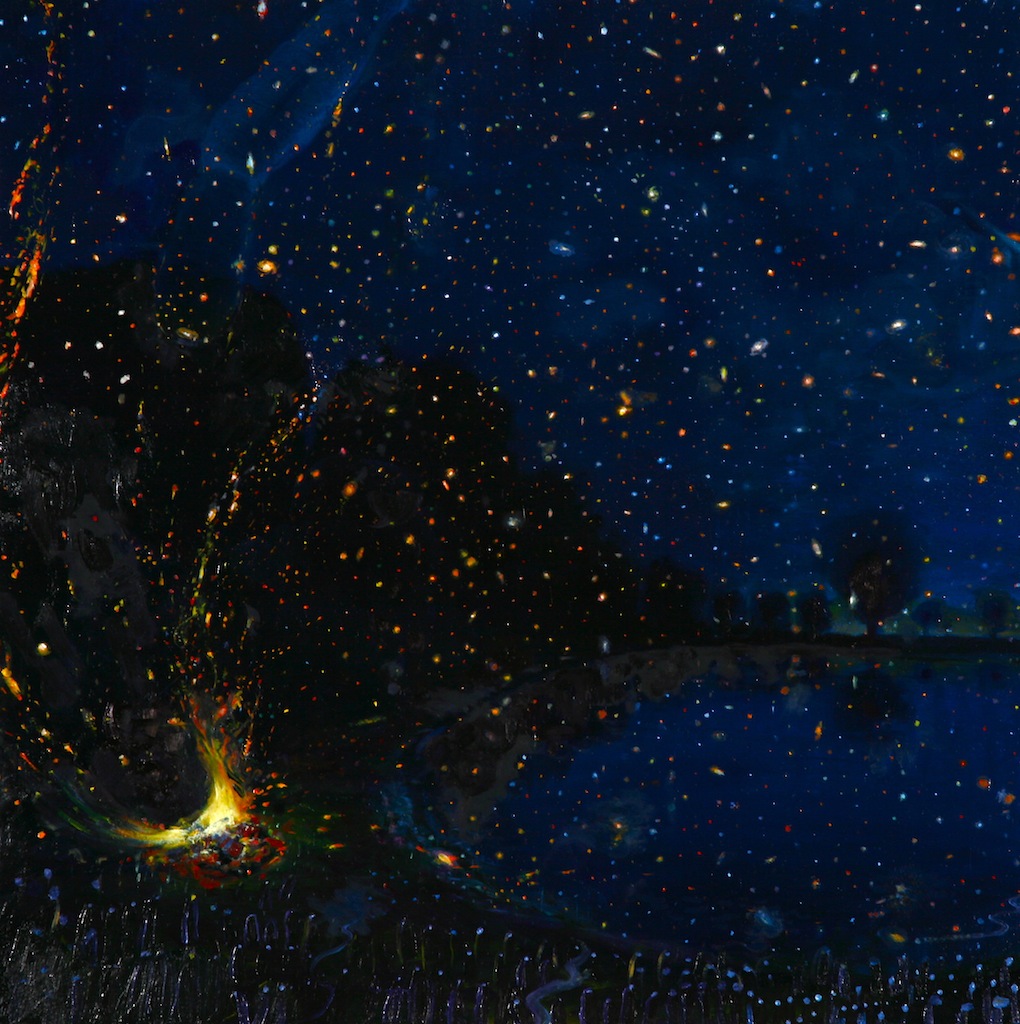
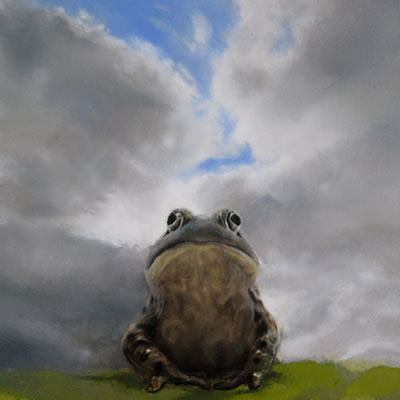
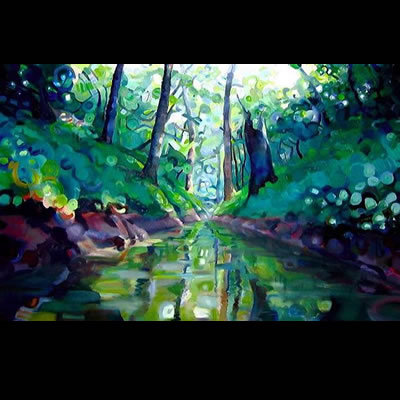
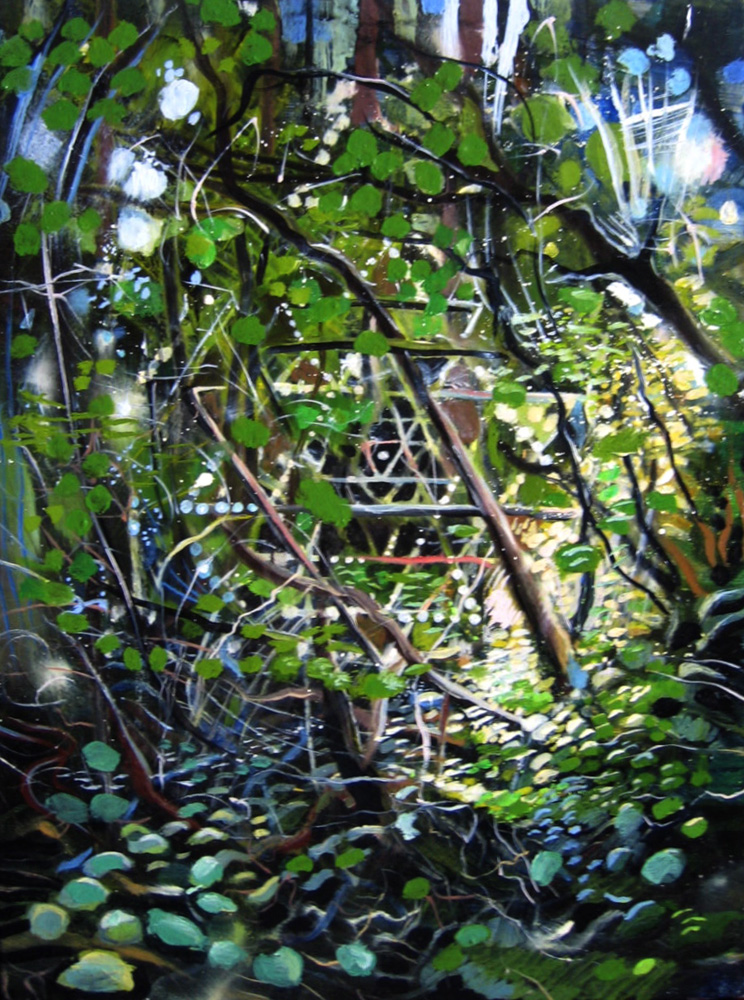
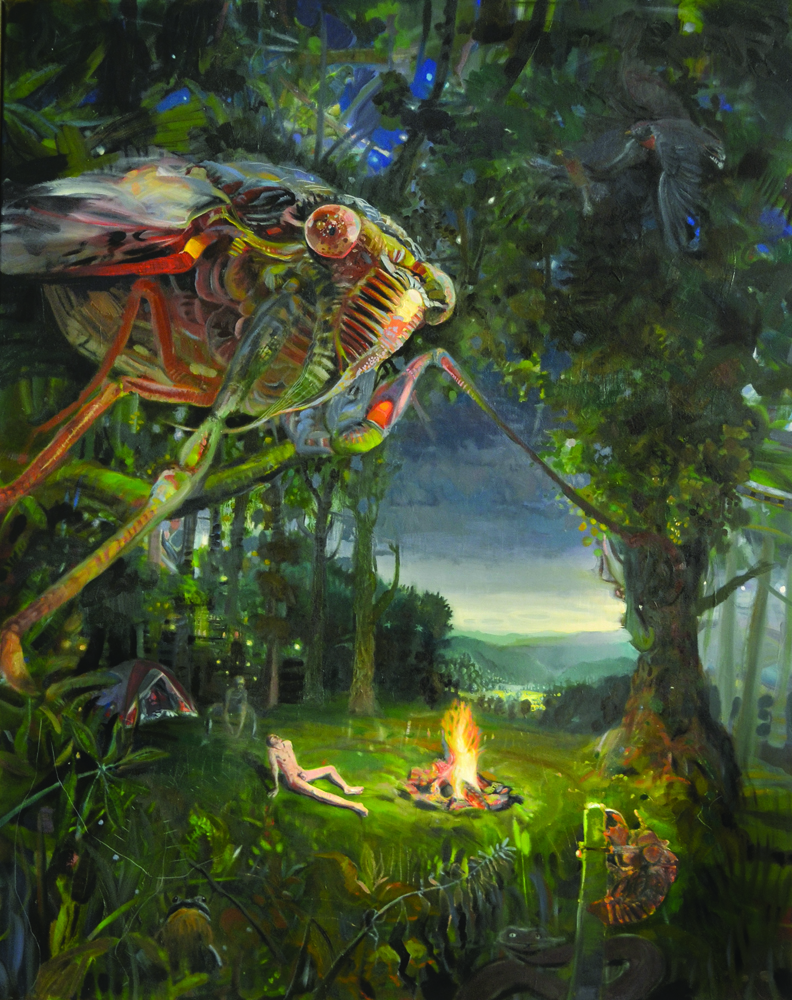
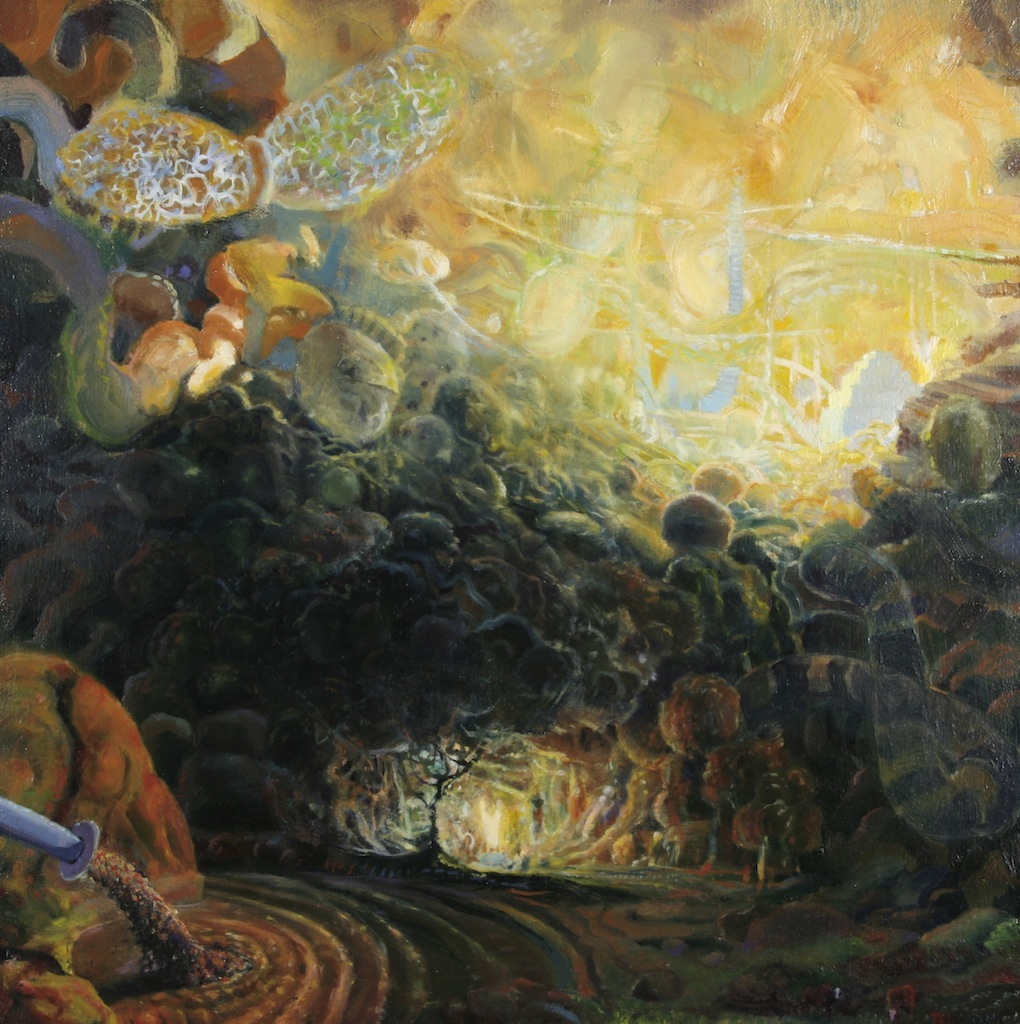
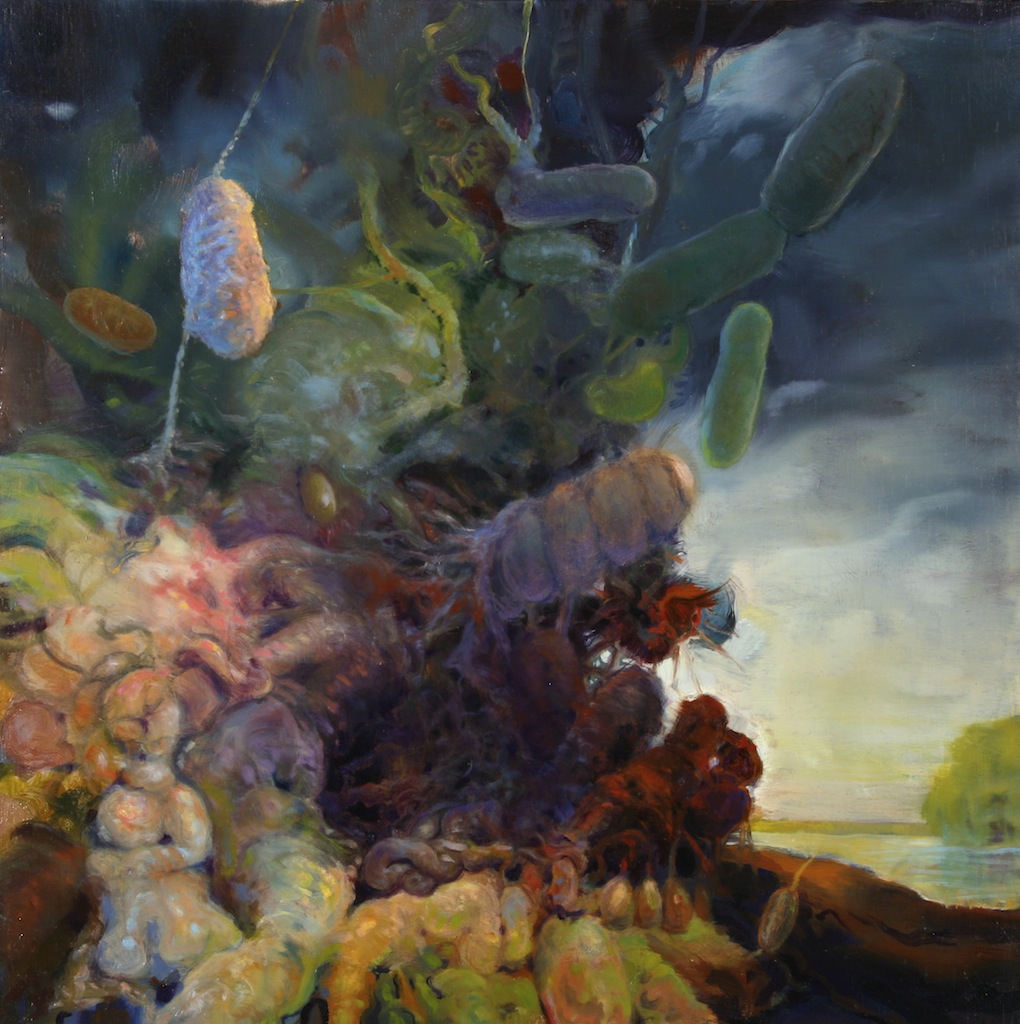
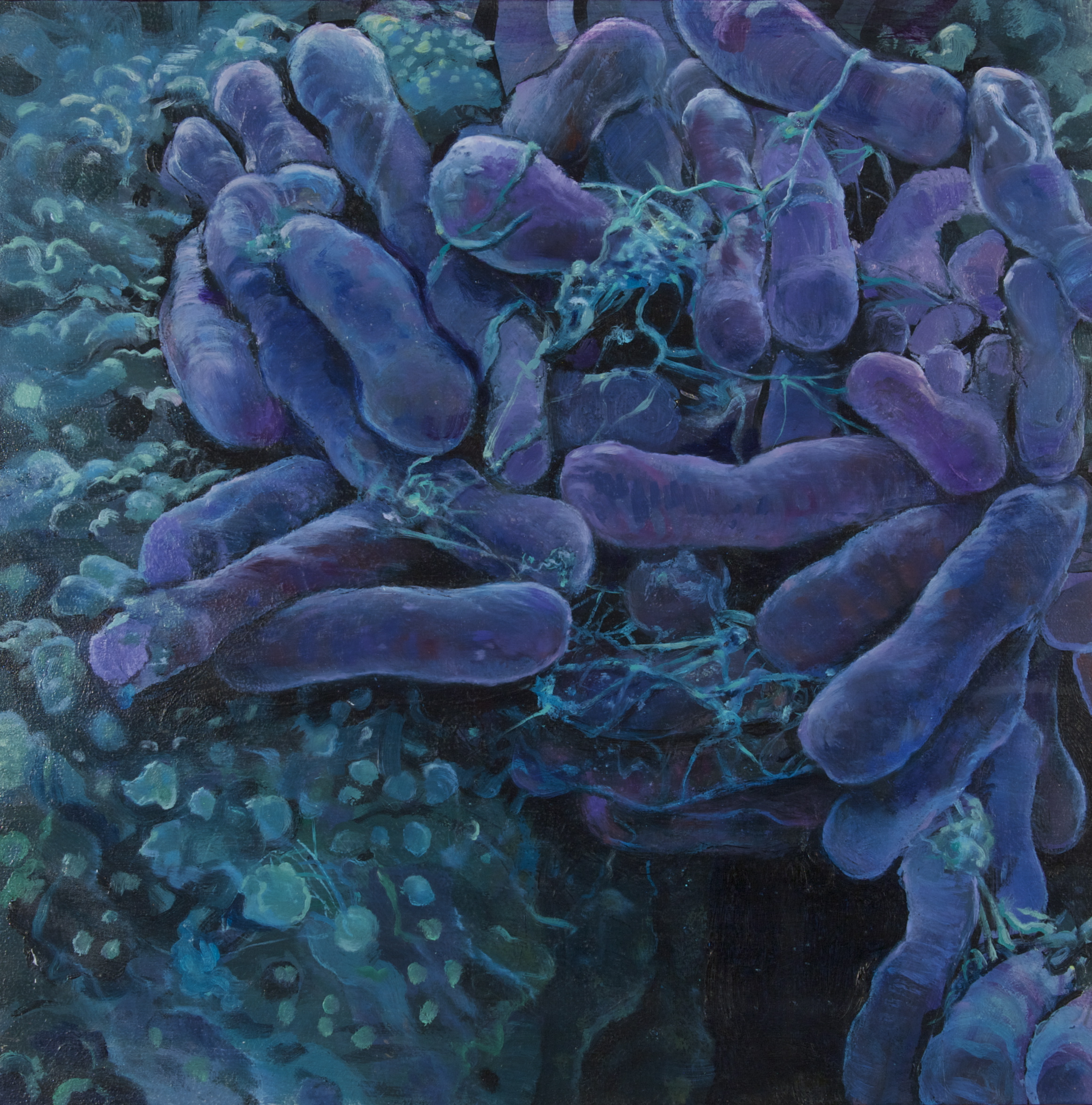
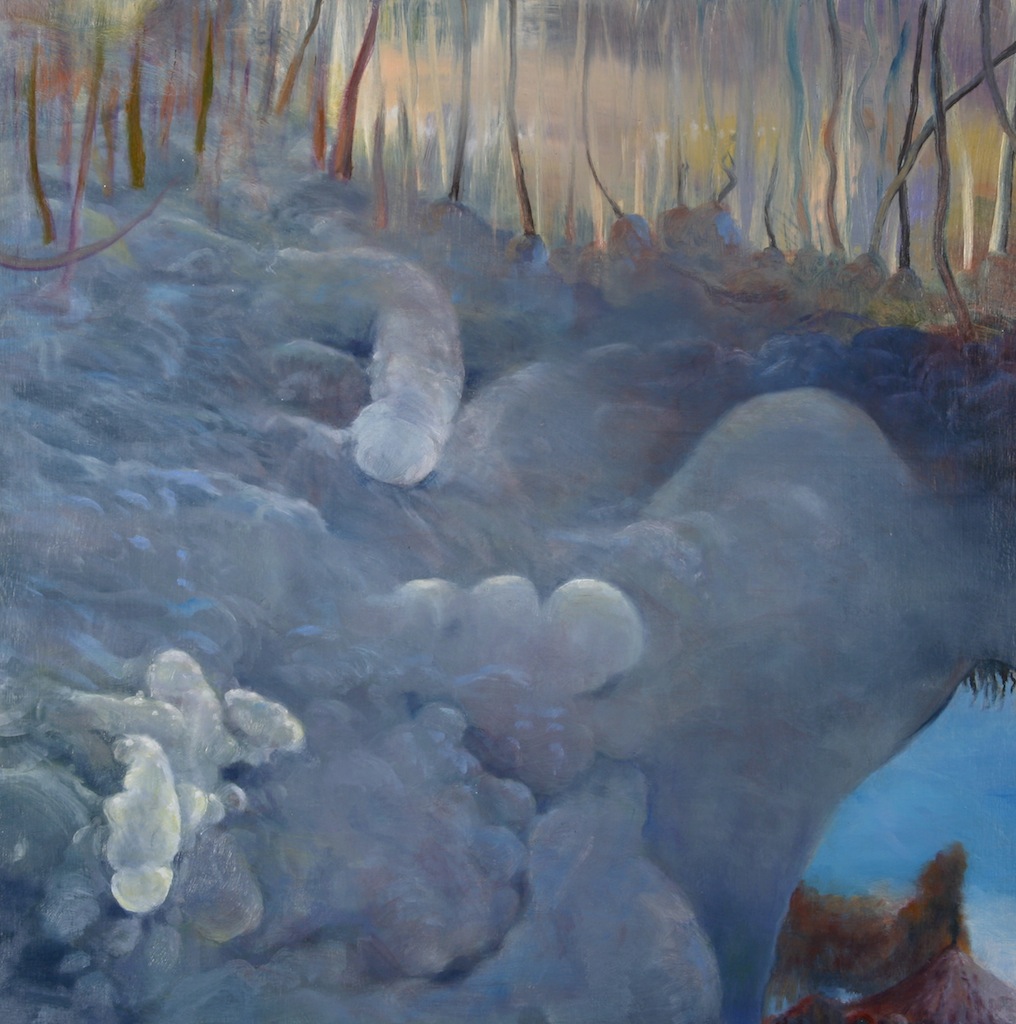
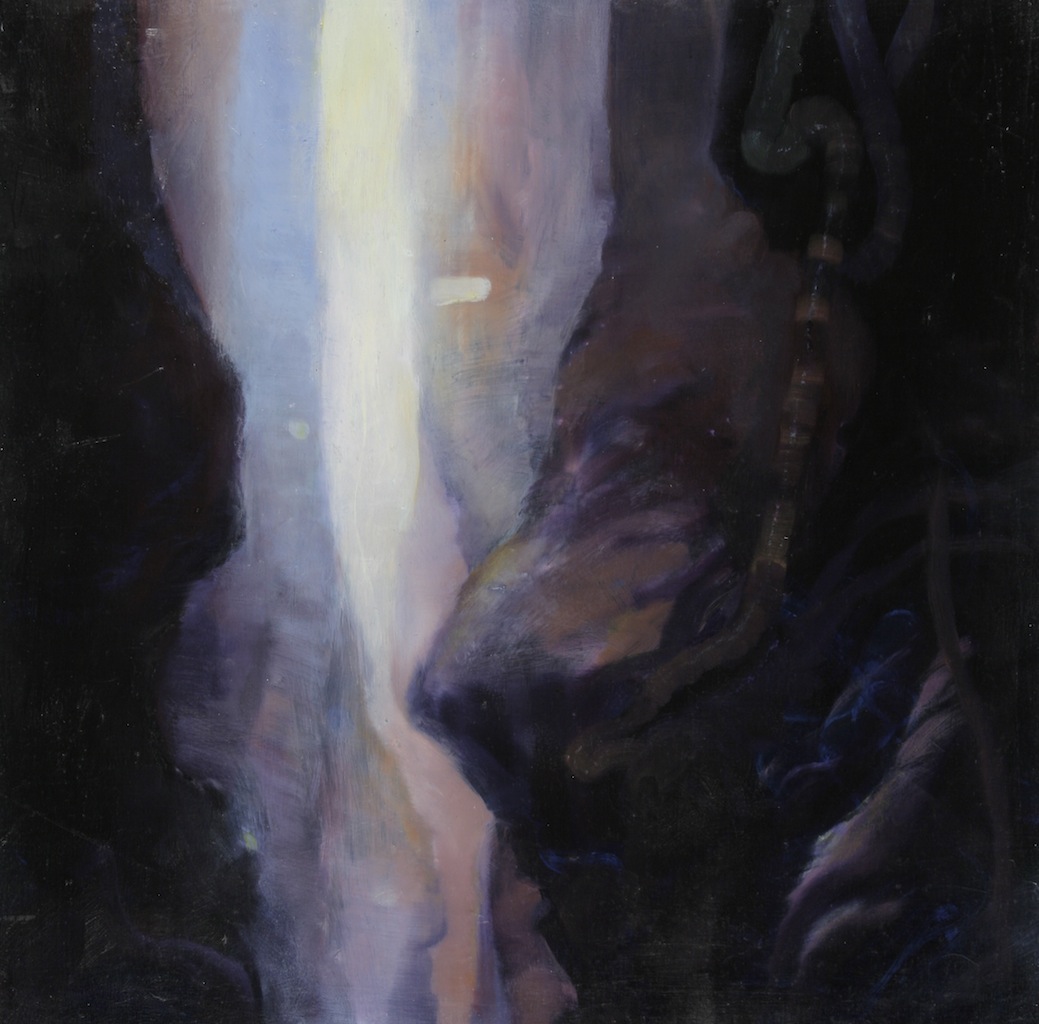
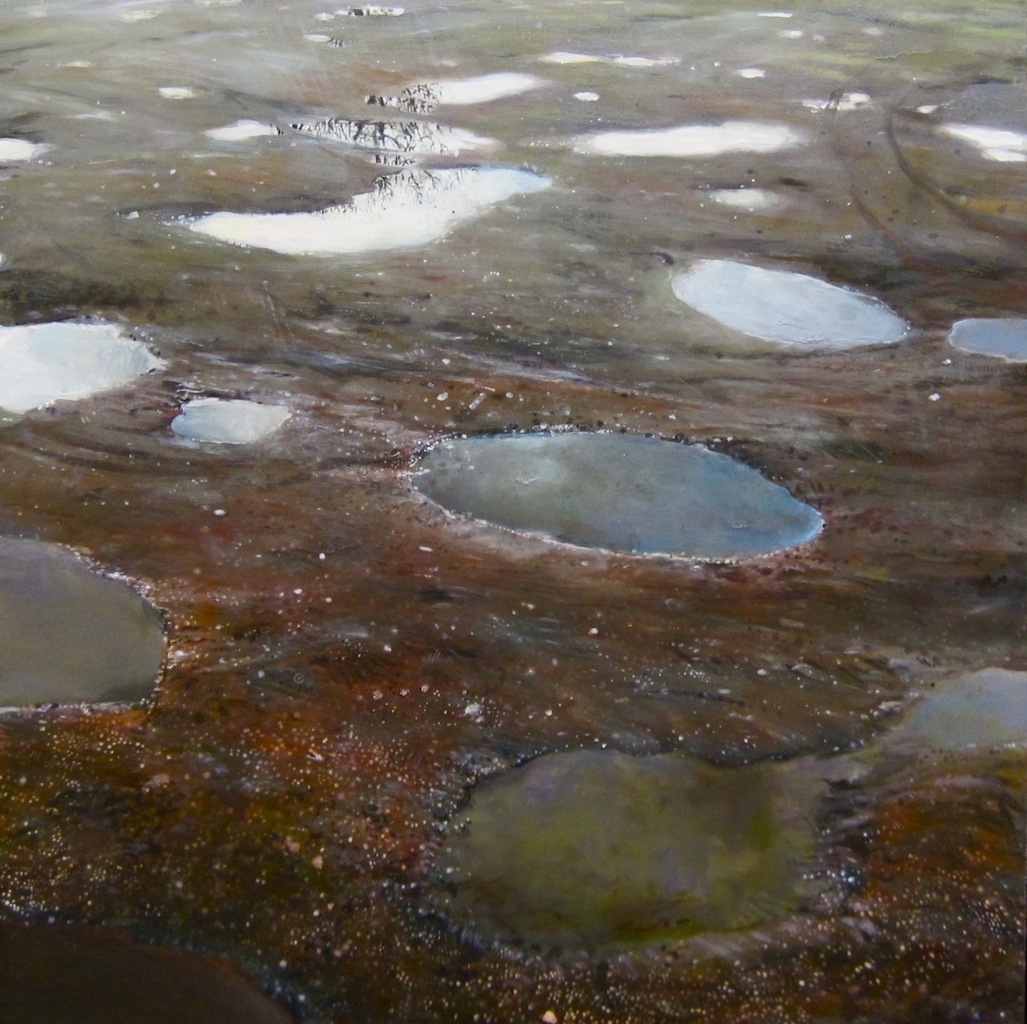
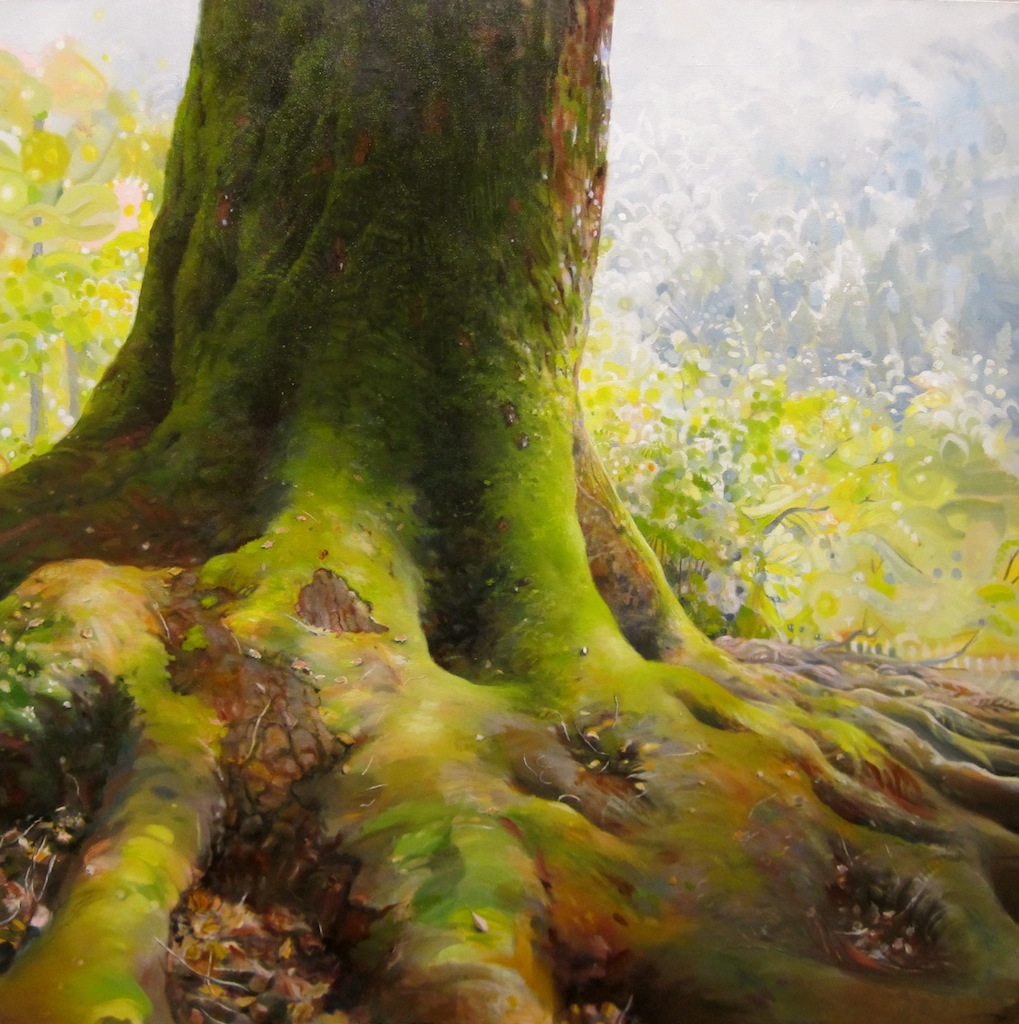
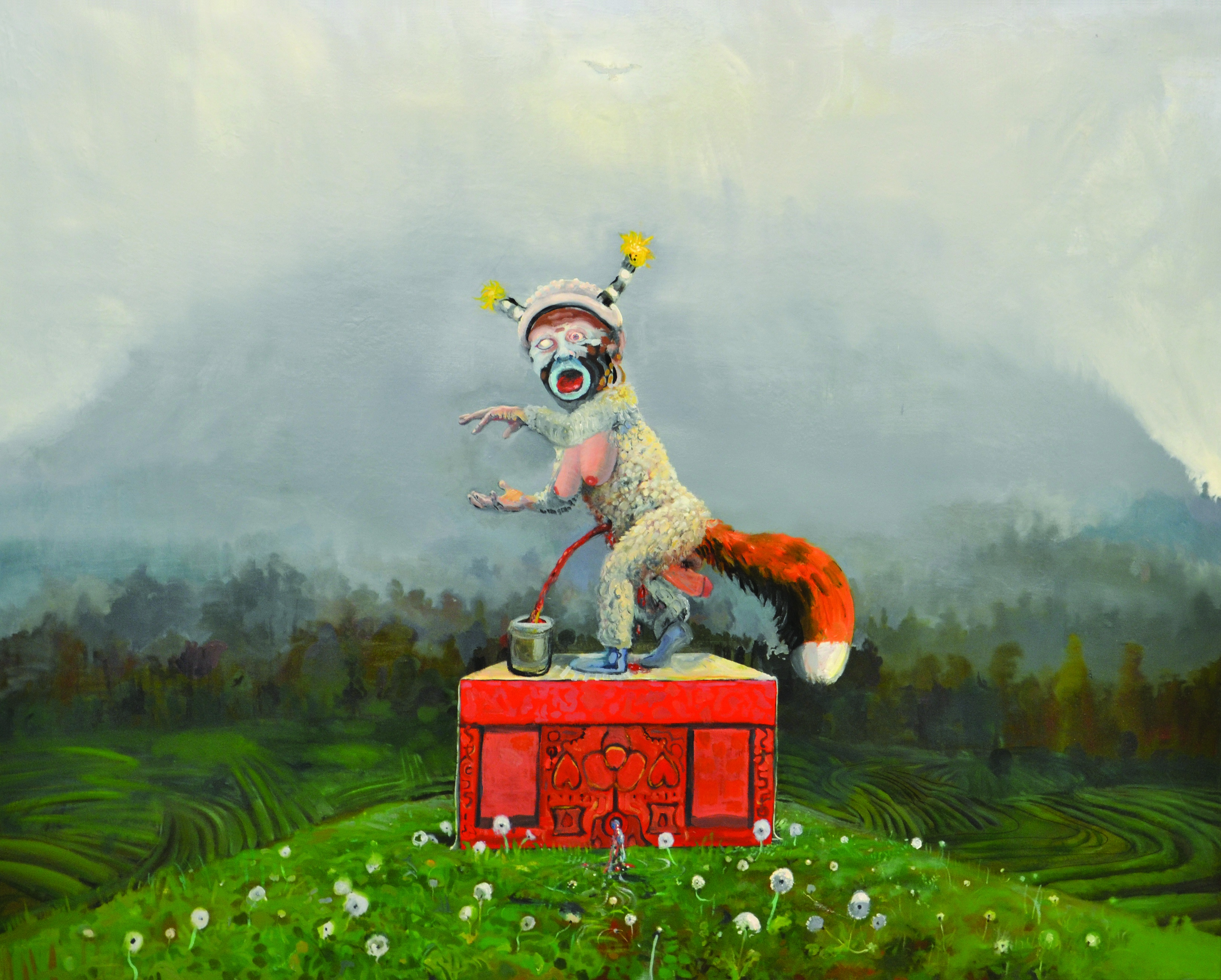
Most of my paintings explore themes of death, landscape, and hidden imagery. My process is traditional: many layers of semi-transparent paint begin with loose and rhythmic brush strokes. I never know exactly what the finished image will look like when I begin. Unforeseen problems require creative solutions, new ideas emerge from the destruction of old ones, and my own understanding of the picture evolves through process and intuition. Art is a communication, and my deepest wish is to articulate something useful. Microcosm and macrocosm are always components of our human experience. Therefore, in my recent body of work, I juxtapose the minuscule with the epic, the banal with the profound, in each painting. I begin a composition with studies of the concrete realities of the body—its skin, bacteria, hair, fat, and fluids. I then move into the non-objective landscape, while also understanding that the abstract and the mythical always influence our perception of “reality.” The paint itself demonstrates how something can be many things at once. In this way, the landscape in conjunction with bacterial and galactic forms becomes a layered metaphor for our soulful and corporeal existence. Some of the spaces and forms used in the paintings were lifted from SEM photographs of common human gastric and epidermic bacteria. Ecologists and New Age health and spiritual teachers have been emphasizing these ‘micro-ecologies’ for years. The cover of the June 2012 issue of Scientific America depicts a human constructed entirely out of bacteria with the subtitle, “In your body, bacteria outnumber your own cells 10-1. Who’s in control?” We now know that the tiny microbes on our skin and in our gut protect us, regulate important chemicals and hormones, eat the poisons from of our food, and even encode compounds that the body cannot make on its own. They produce hundreds of neurochemicals, including dopamine, which affect the state of our consciousness. Just last year we found 1,458 new species of bacteria living in the bellybutton. This contemporary scientific view interrogates our ordinary sense of having a separate, individual ‘human’ body, and reinforces the notion that each one of us is a team, mostly made out of non-human entities.
|
David Titterington | Landscape Theology
David Titterington’s paintings sing rhapsodic songs of the love of nature - nature as Love. Not to the exclusion of human culture - yet, somehow, nature on its own terms. Environments slip and slide between and amongst micro-, meso-, and macro- orders of being – from microbes to animals to skies to starfields: magical worldspaces of sentience, the resident beings variously implicated in tempos of birth, life, play, joy, death, decay, and more. Titterington’s glorious integral art makes visible the unseen radiance, mystery, and wonder of nature in all its Aliveness and endless Perspectivism – inviting us to enter into the direct feel and felt sense of these otherwise secreted and beautiful regions of the Kosmos. While even seemingly ordinary landscapes are revealed in unexpected and novel ways. An art then that is a sheer gift in its magical disclosures of the incalculable orders of Life and Love. Michael Schwartz |
|||||||||||||||||||||||||||||||||||